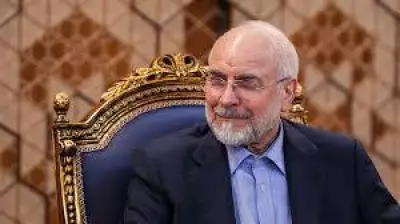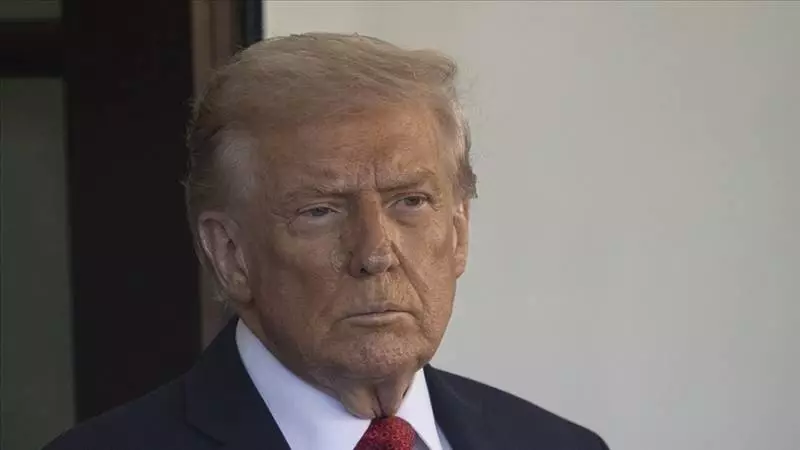
Former US President Donald Trump reportedly presented new military plans for a potential attack on Iran during a recent meeting with Israeli Prime Minister Benjamin Netanyahu in the United States, according to a new report. This development, if accurate, signals a significant and dangerous escalation in rhetoric and strategic planning concerning the Islamic Republic.
Details of the Alleged Meeting and Plans
The report, which has garnered international attention, states that the discussion between Trump and Netanyahu took place during the Israeli leader's visit to the US. The core of their conversation allegedly revolved around fresh strategies to confront Iran's nuclear program, which Western nations have long viewed with deep suspicion. While the precise operational details of the proposed plans remain classified, the mere suggestion of active attack planning marks a stark shift in posture.
This meeting occurred against the backdrop of heightened regional tensions and a stalled international effort to revive the 2015 nuclear deal, formally known as the Joint Comprehensive Plan of Action (JCPOA). The Trump administration had previously withdrawn from this agreement in 2018, reinstating harsh economic sanctions on Tehran. The new report suggests that, rather than seeking diplomatic avenues, Trump was exploring more direct and confrontational military options.

Context of US-Israel Relations and Iran Policy
The alleged discussion underscores the historically close alignment between Trump and Netanyahu on Iran policy. Both leaders have consistently portrayed Iran as the primary threat to stability in the Middle East. Netanyahu's government has repeatedly stated it would act to prevent Iran from obtaining a nuclear weapon, with or without international support.
This report raises immediate questions about the potential consequences of such aggressive planning. A military strike on Iran's nuclear facilities could trigger a widespread regional conflict, drawing in Iranian proxies across the Middle East and potentially disrupting global energy supplies. It also poses a serious challenge for the current US administration and its stated goal of containing the crisis through diplomacy.
Furthermore, the revelation adds a complex layer to the already volatile political landscape in the United States. As Trump positions himself for a potential return to the presidency, his alleged proposals could become a central point of debate regarding future American foreign policy in the region.
Potential Repercussions and Global Response
The international community is likely to view these alleged plans with extreme concern. Key stakeholders would include:
- European Powers: Nations like France, Germany, and the UK, which are still party to the JCPOA, would strongly oppose unilateral military action, fearing it would destroy any remaining hope for a diplomatic solution.
- Regional Actors: Gulf Arab states, while wary of Iran, fear being caught in the crossfire of an open war. Conversely, actors like Syria and Hezbollah would likely rally to Iran's defense.
- Global Powers: Russia and China would almost certainly condemn any attack, using it to criticize US foreign policy and deepen their own ties with Tehran.
For Pakistan, which maintains a delicate balancing act in its foreign relations, such an escalation presents a severe diplomatic and strategic challenge. Pakistan has historical ties with both the Gulf nations and Iran, and a conflict could destabilize the entire region, with direct implications for Pakistani security and economic interests.
In conclusion, the report of Trump presenting new attack plans on Iran during Netanyahu's visit, if verified, represents a highly provocative and dangerous development. It moves the discussion from sanctions and diplomacy to the realm of active military contingency planning. The world will be watching closely to see how this story develops and what it means for the already precarious peace in the Middle East.