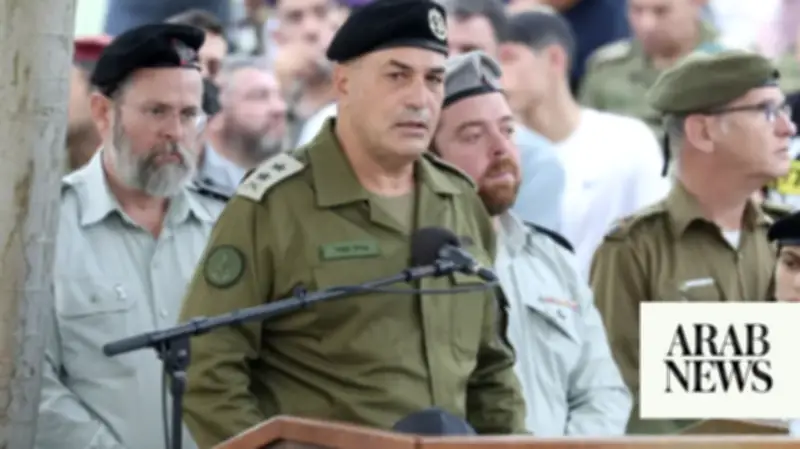
Israel's military chief, Lt. Gen. Eyal Zamir, visited forces deployed around Beaufort castle in southern Lebanon on Sunday, vowing to push ahead with the campaign against Hezbollah. The visit underscores Israel's continued military presence in the region following a recent US-brokered ceasefire agreement.
Zamir's Warning to Hezbollah
“The IDF will continue to operate decisively to remove threats from Lebanese territory and is prepared to transition rapidly to offensive operations should the ceasefire be violated,” Zamir told soldiers during the visit, according to a military statement. He emphasized that “any threat directed at our troops or the Israeli civilians will be struck immediately and eliminated.”
Israeli forces recently seized the crusader-era castle and the surrounding area, giving the military a strategic toehold it previously occupied for nearly two decades. Israel says it uncovered a tunnel network beneath the castle, built to provide Hezbollah fighters with a fortified strike hub just kilometers from Israeli territory.

Historical Context of Beaufort Castle
Israel previously overran the fortress during its 1982 invasion of Lebanon after a prolonged battle with Palestinian fighters hidden in the castle's historic underground tunnels. The castle was damaged by heavy bombardment in the process. Israel then used it as a main observation post until its troops withdrew from the country in 2000.
“Our troops’ activities at the Beaufort Ridge and throughout southern Lebanon are being carried out in accordance with the framework of the agreement and the mechanisms established under it,” Zamir said, referring to the recent US-brokered agreement between Israel and Lebanon intended to permanently halt hostilities.
Ceasefire Agreement and Demands on Lebanon
Zamir added, “The Lebanese Armed Forces are required to fulfil their commitments under the historic agreement that was signed and act to clear the area of Hezbollah terrorists and terrorist infrastructure.” The agreement aims to stabilize the border region after months of conflict.
Hezbollah drew Lebanon into the Middle East war on March 2 with rocket fire at Israel, avenging the killing of Iran’s supreme leader in US-Israeli strikes days earlier. Israel responded with massive airstrikes and a ground invasion of southern Lebanon, where its troops now occupy swathes of territory near the border.
Strategic Implications
The visit and Zamir's statements signal Israel's determination to maintain pressure on Hezbollah, even amid the ceasefire. The discovery of the tunnel network beneath Beaufort castle highlights the ongoing threat Israel perceives from the militant group. The IDF remains on high alert, ready to switch from defensive to offensive operations if necessary.