Iran's Economic Crisis Sparks Nationwide Protests and International Tensions
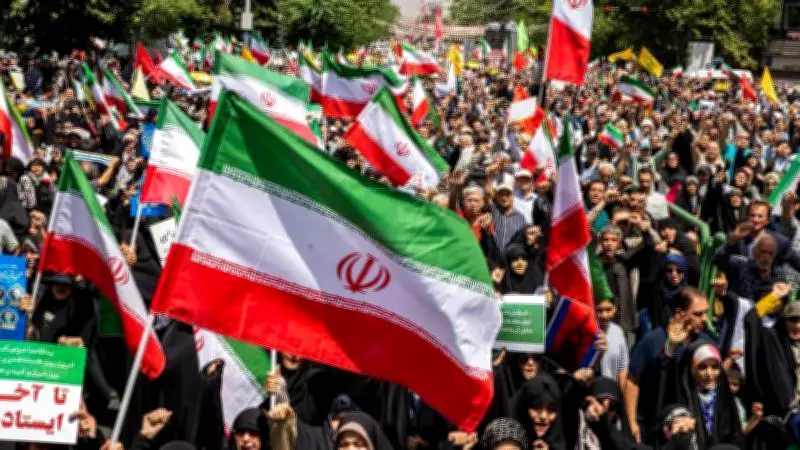
The Islamic Republic of Iran, under Shiʽite religious leadership, is grappling with a profound economic crisis that has ignited widespread public frustration and protests across the country. Since December 2025, streets in Iran have become arenas for demonstrations reflecting deep-seated concerns over economic and political policies that have persisted for five decades. The government's response has been forceful, resulting in significant casualties, with reports indicating approximately 4,000 fatalities, including 200 children, 100 students, and 500 security personnel. Some Iranian experts estimate the death toll could exceed 7,000 due to state actions against protesters.
Economic Collapse and Sanctions Impact
Iran's economy is in a dire state, severely impacted by international sanctions and rampant domestic corruption. The Iranian currency has experienced continuous depreciation, while government decisions to shut down the internet have crippled business and commerce, further exacerbating the economic downturn. This economic distress has fueled protests, particularly among women and advocates for political freedom, driven by rising inflation and currency devaluation. The unrest highlights broader frustrations with long-term corruption, economic mismanagement, political repression, and declining living standards.
US-Israel Military Actions and Iranian Retaliation
Amid this domestic turmoil, the United States, under pressure from Israel, has launched military attacks on Iran. These actions have not only strained the US economy but also contributed to global economic instability. In response, Iran has adopted a strategic approach to demonstrate its influence, notably by blocking the Strait of Hormuz, a critical chokepoint through which nearly 30% of the world's oil supply flows. This move aims to disrupt oil flow and trigger sharp increases in energy prices, showcasing Iran's ability to inflict economic pain on a global scale.

Key Demands and Regional Implications
As the conflict intensifies, three primary demands have emerged from international actors: ending Iran's nuclear program and surrendering enriched uranium stocks, reducing the range and number of ballistic missiles, and ceasing support for militant groups funded with arms and money. The war, now in its second week, has seen Iran remain defiant against joint American and Israeli forces, with the regime surviving even after the brutal killing of its Supreme Leader and top leadership. Iran continues to retaliate by firing missiles at American assets in the Gulf region, challenging the US dream of a quick regime change.
Internal Unrest and Regime Vulnerability
Iran is experiencing its most dramatic upheaval since the 1979 Islamic Revolution, with the economy collapsing and political frustration mounting. The regime's vulnerability has been exposed by Israel's deep penetration into Iranian leadership and systems, as well as American military attacks on major nuclear sites. Analysts suggest that Iran, not the US or Israel, may determine the war's end due to its capacity to inflict broad economic pain. The social contract in Iran has collapsed for many, with loyalty no longer guaranteeing security or prosperity, leading to recurring unrest.
Possible Scenarios and Future Outlook
Several scenarios could unfold in Iran. The regime might consolidate authoritarian rule, risking further international isolation. Alternatively, it could offer limited economic or social concessions without addressing core political issues, which would fail to resolve structural problems. There is also the possibility of regime fragmentation, leading to political rupture and instability. Iran's elite military units, such as the Islamic Revolutionary Guard Corps (IRGC), continue to show defiance by issuing threats and launching attacks on Israel and US assets in neighboring Gulf countries.

International Reactions and Strategic Moves
Iran's unrest has regional implications, with Saudi Arabia reportedly more terrified by Iran's internal strife than by any external enemy. Iranian officials, including Pezeshkian, have stated that ending the war requires recognizing Iran's legitimate rights, payment of reparations, and firm international guarantees against future aggression. As pressure mounts on the US to halt its costly mission, speculation from Washington about Iran's quick submission has proven misguided. Iran's asymmetric tactics, such as disrupting critical infrastructure and threatening US-linked entities, aim to maximize economic disruption in the region and beyond.