Iran Launches Retaliatory Cluster Missile Strike on Tel Aviv
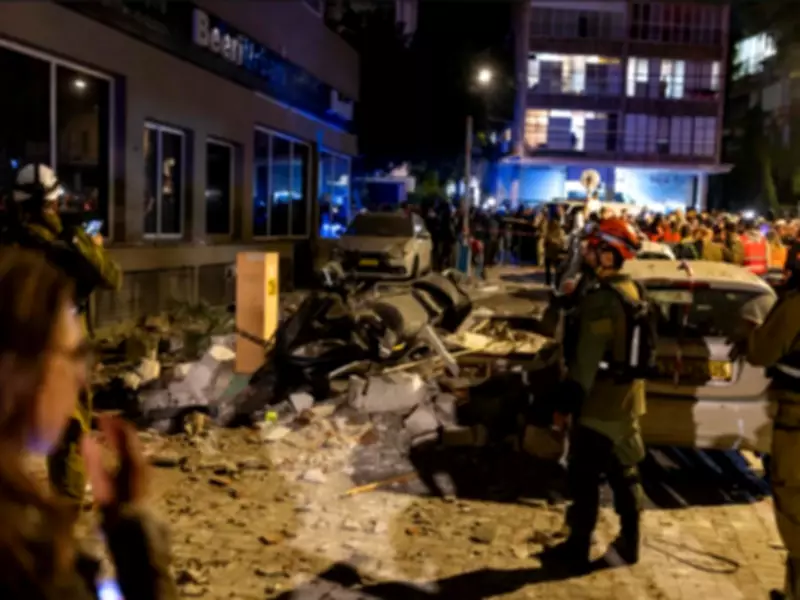
Iran targeted Tel Aviv with missiles carrying cluster warheads overnight on Tuesday, according to Iranian state television. The attack, described as retaliation for Israel's assassination of Iran's security chief Ali Larijani, resulted in two fatalities, bringing Israel's death toll in the ongoing war to at least fourteen.
Details of the Attack and Israeli Response
The missile strike caused massive fires in a factory and a neighborhood in Tel Aviv. Israeli authorities reported that Iran has repeatedly used cluster warheads, which disperse into multiple smaller explosives mid-air, spreading over a wide area and making them difficult to intercept. Rescue workers and security forces gathered at a train station hit by shrapnel, while an apartment in Ramat Gan, on the outskirts of Tel Aviv, was damaged.
Iran's military statement emphasized a decisive response, with army chief Amir Hatami warning that the retaliation for Larijani's killing would be regrettable.

Background: Assassinations and Escalating Conflict
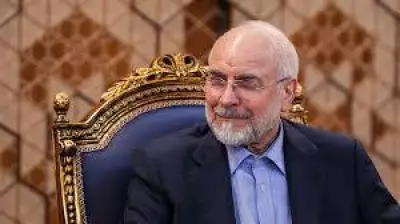
Iran held funerals on Wednesday for Ali Larijani, the secretary of the Supreme National Security Council, and Gholamreza Soleimani, head of the Basij paramilitary force, both killed by Israel on Tuesday. Larijani is the most prominent Iranian figure killed since Israel and the United States launched attacks on Iran on February 28, which resulted in the death of Supreme Leader Ayatollah Ali Khamenei and ignited the war.
Iran's Supreme National Security Council confirmed that Larijani's son and his deputy, Alireza Bayat, were also killed in an Israeli attack on Monday night.
Global Economic and Military Repercussions
Beyond missile strikes, Iran has sought to impact the global economy by effectively closing the Strait of Hormuz, a crucial waterway for crude oil, driving up oil prices to around $100 a barrel. Iranian Foreign Minister Abbas Araghchi warned that the war's global repercussions have only just begun.
In response, the US military used 5,000-pound bombs to target hardened Iranian missile sites near the Strait of Hormuz to protect international shipping. US President Donald Trump criticized allies for not supporting escort missions but boasted that the US does not need help.
European Union foreign policy chief Kaja Kallas emphasized diplomatic solutions to avoid crises in food, fertilizer, and energy.
Internal and Regional Fallout
The US has faced internal scrutiny, with Joseph Kent, head of the US National Counterterrorism Centre, resigning after stating Iran posed no imminent threat to the nation. In Iran, a projectile hit near the Bushehr nuclear power plant, causing no damage, but IAEA chief Rafael Grossi called for restraint to prevent nuclear accidents.
Iran's new supreme leader, Mojtaba Khamenei, rejected proposals for reducing tensions or a ceasefire, insisting on defeating the US and Israel first. The war has extended to Gulf neighbors, with over 2,000 missile and drone attacks on US bases and infrastructure, primarily in the United Arab Emirates.
Impact on Lebanon
Lebanon has suffered heavily, with Israeli strikes hitting Beirut early Wednesday, killing at least six people. Since March 2, Lebanese authorities report 912 deaths and over one million displaced persons, with more than 130,000 in official shelters.
The conflict continues to escalate, with no immediate resolution in sight, as both sides intensify military actions and diplomatic efforts falter.