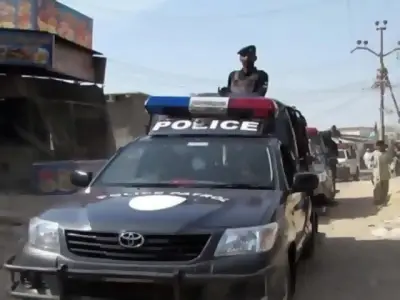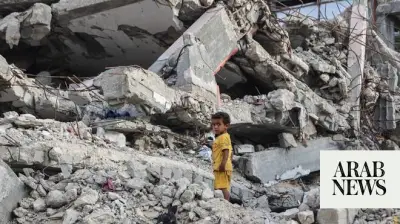
On June 27, 2026, a family returning to Karachi after a holiday in Balochistan took a wrong turn and encountered suspected Baloch insurgents. The father accelerated to escape, but gunfire erupted, killing him instantly. His wife was shot multiple times, yet fought to stay conscious for their two young daughters. Stranded on a remote mountain road, the family waited over five hours before a search party located them. The girls reportedly cried, "Uncle, they killed our daddy!" upon rescue.
Media Coverage Disparities
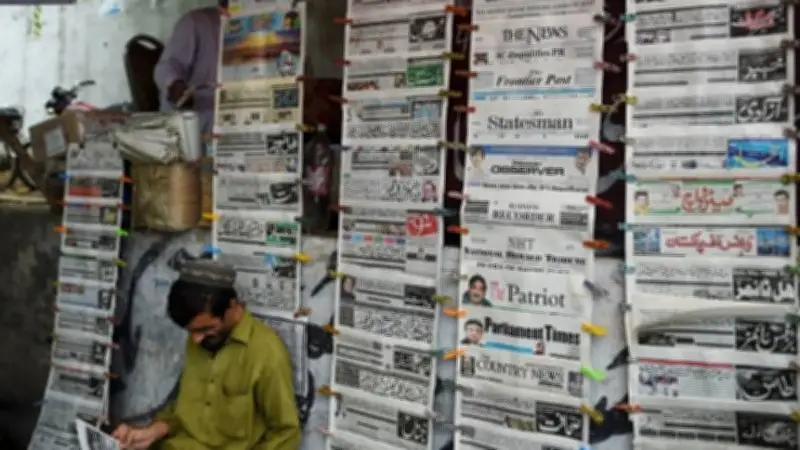
Mainstream television channels and national newspapers extensively covered the attack, questioning the brutality of targeting civilians. One channel displayed a message: "Two young girls survived; the image has shaken every heart." However, partisan media outlets in Balochistan gave little attention to the attack, a pattern observed in previous incidents where attacks on non-Baloch civilians received limited coverage.
Selective Empathy in Reporting
A similar contrast emerged after a suicide bombing on a military train near Quetta on May 24, 2026. The Baloch Liberation Army (BLA) claimed it as a military success, denying civilian casualties. A local newspaper reproduced their claims, while mainstream newspapers reported civilian deaths, including a family of four killed in their home near the railway tracks. This selective reporting creates a hierarchy of victims, where some deaths are highlighted while others are ignored.

Consequences of Selective Compassion
Selective empathy encourages each side to view only its own losses as morally significant, dismissing others' suffering. This cycle of violence is exacerbated by the state's failure to address legitimate grievances in Balochistan, such as the peaceful campaign by Mama Qadeer for missing persons, which remained largely ignored. Meanwhile, negotiations with religious militant groups like the Tehreek-e-Taliban Pakistan have been pursued, but not with Baloch insurgents, deepening perceptions of exclusion.
Need for Equal Humanity
Violence survives through selective empathy. When journalism mourns only those whose suffering fits an ideological narrative, it sustains conflict. A society where 'our' pain matters but 'theirs' does not loses a common understanding of justice. Until both the state and media recognize the equal humanity of every innocent victim—regardless of ethnicity or identity—Balochistan's tragedies will continue to produce more violence and silence.