Pakistan's Fauji Fertilizer Company Limited (FFC) announced on Tuesday a strategic co-branding agreement with Norwegian chemical giant Yara International ASA. The partnership aims to bring world-class plant nutrition solutions to Pakistani farmers and boost crop productivity across the country.
Agriculture's Role in Pakistan's Economy
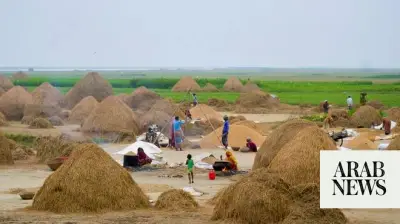
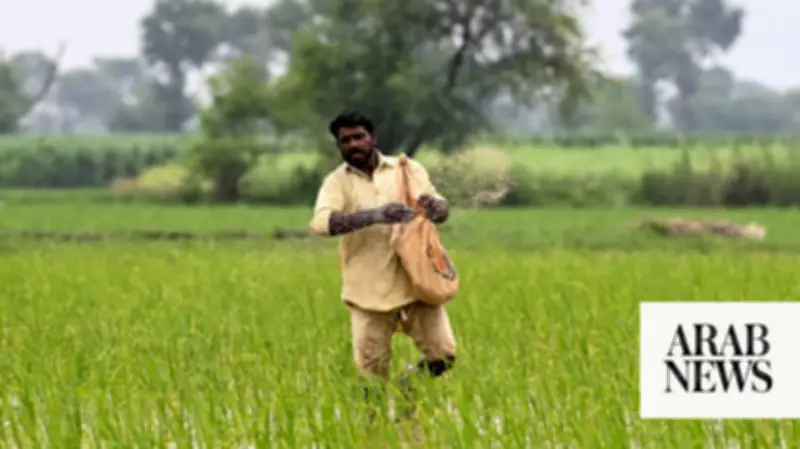
Agriculture is a vital sector in Pakistan's economy, contributing about 23 percent to the Gross Domestic Product (GDP) and employing hundreds of thousands of people. However, climate change effects and increasing population growth have posed serious challenges to agricultural productivity and national food security.
About the Partners
Yara, founded in Norway in 1905, is a major global crop nutrition company operating in over 140 countries. FFC is counted among Pakistan's major fertilizer producers.

According to the co-branding agreement, FFC's SONA and Yara's Yara brands will introduce a portfolio of products, including the highly soluble calcium fertilizer YaraLiva Tropicote, to boost agricultural productivity in Pakistan.
Quotes from Officials
“These premium specialty products will help farmers improve crop yields, quality, and profitability while contributing to national food security,” FFC said, quoting its Chief Commercial Officer Mohammad Ali Janjua. Janjua said both companies will market the products through FFC's nationwide marketing and advisory network, expanding farmers’ access to world-class crop nutrition technologies tailored to Pakistan’s evolving agricultural needs.
“The alliance will promote climate-resilient and sustainable agriculture, strengthen food security, empower farmers, and further enhance Pakistan’s attractiveness as a destination for international collaboration and investment in the agricultural sector,” Janjua added.
Alexandre Macedo, senior vice president of the Business Unit Yara Africa and Asia, said the partnership will expand Pakistani farmers’ access to innovative technologies, agronomic expertise, and sustainable crop nutrition solutions. He noted that the partnership will support Pakistan’s agricultural transformation, strengthen food security, and contribute to a more resilient and sustainable agricultural future.