Sheikh Hasina's Absence Reshapes Gopalganj's Political Arena Before February 12 Elections
The political dynamics in Bangladesh's Gopalganj district are experiencing a notable shift as the absence of Prime Minister Sheikh Hasina, who hails from the region, influences the upcoming electoral contest scheduled for February 12. This development is altering the traditional power structures and campaign strategies, with local parties and candidates adapting to the new circumstances.
Impact on Local Political Landscape
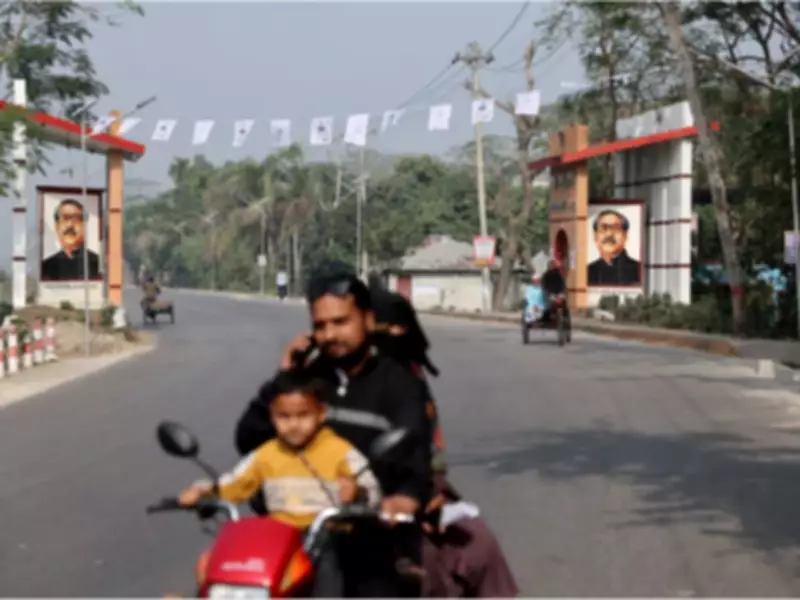
Gopalganj, the home district of Sheikh Hasina, has long been a stronghold for her party, the Awami League. However, her reduced presence in the area ahead of the polls is creating a vacuum that other political forces are seeking to fill. This change is prompting a reevaluation of alliances and voter outreach efforts, as parties strive to capitalize on the altered scenario.
The absence of such a prominent figure is leading to increased competition among candidates, with rival groups attempting to gain ground in a district that has historically been dominated by the Awami League. This shift is not only affecting the ruling party but also influencing opposition strategies, as they perceive an opportunity to make inroads in a key electoral battleground.

Preparations for the February 12 Polls
As the election date approaches, political activities in Gopalganj are intensifying, with campaigns focusing on local issues and governance promises. The altered landscape is encouraging candidates to emphasize grassroots connections and community engagement, rather than relying solely on national leadership figures.
This situation highlights the evolving nature of Bangladeshi politics, where regional dynamics can significantly impact electoral outcomes. The February 12 polls in Gopalganj are seen as a test of how well parties can adapt to changing circumstances and mobilize support in the absence of key leaders.
Observers note that the outcome in Gopalganj could have broader implications for national politics, serving as an indicator of voter sentiment and party strength in other regions. The district's political transformation underscores the importance of local factors in shaping electoral results, even in areas with strong historical ties to national figures.