Shafiqur Rahman's Political Metamorphosis: From Obscurity to Election Frontrunner
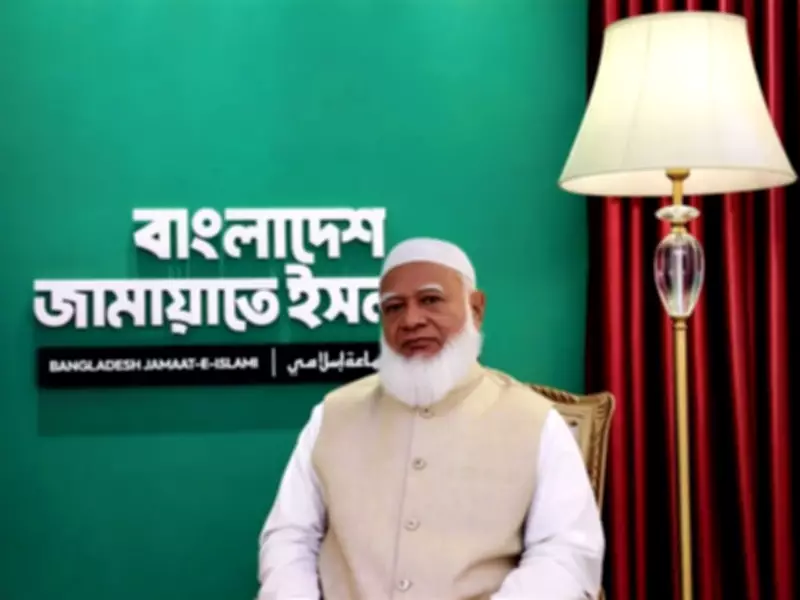
For decades, Shafiqur Rahman existed on the fringes of Bangladeshi political life, known primarily within Islamist circles. Today, at 67 years old, his bearded visage dominates posters and billboards throughout Dhaka, symbolizing a dramatic political resurgence. As Bangladesh prepares for its February 12 general election—the first since a Gen Z-led uprising toppled former Prime Minister Sheikh Hasina in 2024—this physician-turned-politician has emerged as a formidable contender for the nation's highest office.
The Unexpected Ascent of Jamaat-e-Islami
Rahman's political journey mirrors the remarkable revival of his party, Jamaat-e-Islami. Once banned and driven underground during Hasina's administration, the Islamist party now stands poised for its strongest electoral performance yet. This represents a significant shift in Bangladesh's political landscape, where approximately 91% of the 175 million population identifies as Muslim, making it one of the world's largest Muslim-majority nations.
The party's resurgence follows years of suppression under Hasina's government, which jailed top Jamaat leaders, sentenced some to death for 1971 war crimes, and imposed an outright ban on the organization. Rahman himself faced imprisonment in 2022, serving 15 months for allegedly assisting members of a banned militant outfit.

Political Fortunes Transformed by Historic Upheaval
The 2024 uprising proved transformative for both Rahman and his party. Following Hasina's departure to India that August, an interim government led by Nobel laureate Muhammad Yunus eased restrictions on Jamaat-e-Islami. A subsequent court ruling in 2025 officially lifted the ban, allowing the long-suppressed organization to re-enter the political mainstream.
Rahman capitalized on this opportunity with strategic acumen. While his main rival, Bangladesh Nationalist Party chief Tarique Rahman, remained in exile in London during the critical post-uprising period, Shafiqur Rahman traveled extensively across the country. His distinctive white beard and all-white attire became increasingly visible as he engaged with media and voters alike.
Building a New Political Identity
Jamaat-e-Islami's campaign strategy has emphasized charitable outreach and flood-relief work, presenting the party as a clean, moral alternative guided by Islamic values. Rahman's personal narrative as a humble family man—married to fellow physician and former parliamentarian Amina Begum, with three doctor children—has been carefully cultivated to contrast with what supporters describe as the corruption of established political elites.
The party has made significant efforts to broaden its appeal, forming an alliance with the Gen Z National Citizen Party to attract younger, less conservative voters. Campaign materials have even incorporated pop culture references, with posters inspired by Game of Thrones featuring Rahman alongside the caption "Dadu is coming"—using the Bengali term for grandfather.
Controversies and Contradictions
Despite attempts to project a moderate image, Rahman's campaign has not been without controversy. His views on women's roles in society have sparked particular debate. He has suggested women should work no more than five hours daily to prioritize family responsibilities and made inflammatory social media comments that equated women working outside the home with "a form of prostitution"—a post Jamaat later claimed resulted from a hacked account.
These statements have drawn protests at several universities and highlighted the party's failure to field any female candidates. Rahman attempts to balance such positions by emphasizing governance, anti-corruption measures, social justice, and promises of equal treatment for all religions.
A Nation at a Political Crossroads
As Bangladesh approaches this pivotal election, Shafiqur Rahman represents more than just another political candidate. His rise symbolizes the dramatic reconfiguration of power following the 2024 uprising and tests the nation's complex relationship with its Islamic identity. The constitution recognizes both Islam as the state religion and secular principles, creating a tension that this election may help resolve.

Political analysts note that Rahman has skillfully filled the vacuum left by traditional political forces in the uprising's aftermath. His message resonates with voters seeking alternatives to established parties, though it remains uncertain whether his vision can unite Bangladesh's diverse population of predominantly Sunni Muslims alongside its religious minorities.
The election outcome will not only determine Bangladesh's next government but may also signal a broader shift in South Asian politics, with implications for regional relationships and the balance between religious and secular governance in Muslim-majority democracies.