US and Iran Engage in Critical Nuclear Talks in Geneva as Regional Tensions Escalate
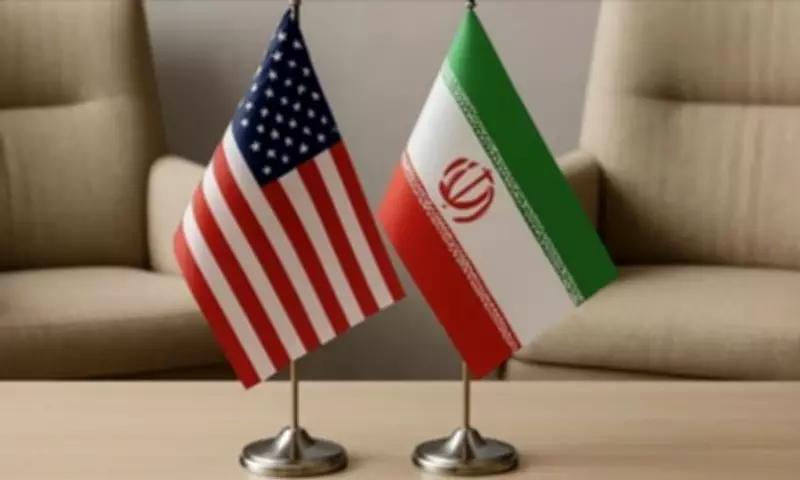
Indirect negotiations between the United States and Iran regarding their longstanding nuclear dispute have officially begun in Geneva, Switzerland. This diplomatic effort unfolds against a backdrop of heightened military activity in the Middle East and stern warnings from Iranian leadership.
Khamenei Issues Defiant Warning as Talks Commence
Iran's Supreme Leader Ayatollah Ali Khamenei issued a forceful statement as the talks started, declaring that American attempts to overthrow the Islamic Republic would inevitably fail. "The U.S. President says their army is the world's strongest, but the strongest army in the world can sometimes be slapped so hard it cannot get up," Khamenei was quoted by Iranian state media. His comments directly responded to U.S. President Donald Trump's previous remarks suggesting "regime change" in Iran might be desirable.
The talks are being mediated by Oman, with U.S. envoys Steve Witkoff and Jared Kushner participating alongside Iranian Foreign Minister Abbas Araqchi. The meeting is taking place at the residence of the Omani ambassador to the United Nations under tight security, with Iranian diplomatic vehicles observed outside.

Military Buildup and Recent Strikes Shadow Diplomacy
The diplomatic initiative occurs amidst significant U.S. military reinforcement in the region. President Trump acknowledged on Monday that the U.S. could have pursued a deal instead of deploying B-2 stealth bombers, which, alongside Israel, conducted strikes on Iranian nuclear facilities in June of the previous year. "We could have had a deal instead of sending the B-2s in to knock out their nuclear potential. And we had to send the B-2s," Trump told reporters.
In response, Iran commenced a military exercise in the strategically vital Strait of Hormuz on Monday, a key global oil shipping lane. Concurrently, U.S. officials have indicated that the military is preparing for potential extended operations against Iran should the President order an attack.
Iran's Core Demands: Sanctions Relief and Realistic Terms
A senior Iranian official emphasized to Reuters that the success of the Geneva talks is contingent upon the United States presenting realistic demands and demonstrating genuine commitment to lifting the severe economic sanctions crippling Iran's economy. These sanctions have significantly constricted Iran's oil revenue, contributing to domestic unrest and a cost-of-living crisis that has sparked widespread anti-government protests, reportedly suppressed at a high human cost.
Iranian Foreign Ministry Spokesperson Esmaeil Baghaei confirmed that Tehran's positions on the nuclear issue, sanctions removal, and a potential agreement framework have been formally communicated to the American side. Following the June strikes, Iran has stated it halted its uranium enrichment activities.
Underlying Nuclear Dispute and Regional Dynamics
The core disagreement persists: The United States and its ally Israel suspect Iran of seeking to develop nuclear weapons, a capability they believe threatens Israel's existence. Iran maintains its nuclear program is exclusively for peaceful purposes, despite having enriched uranium to levels far beyond typical power generation needs and closer to weapons-grade purity.
Iran is a signatory to the Nuclear Non-Proliferation Treaty (NPT), which permits civilian nuclear energy development in exchange for renouncing atomic weapons and cooperating with the International Atomic Energy Agency (IAEA). Israel, which is not an NPT signatory, maintains a long-standing policy of ambiguity regarding its own suspected nuclear arsenal, believed to have been acquired decades ago as a deterrent.
The resumption of talks offers a fragile diplomatic channel, but the shadow of military conflict, economic pressure, and deep-seated mutual distrust looms large over the negotiating table in Geneva.