UN Human Rights Chief Slams Taliban's New Decree as Escalating 'Gender Apartheid'
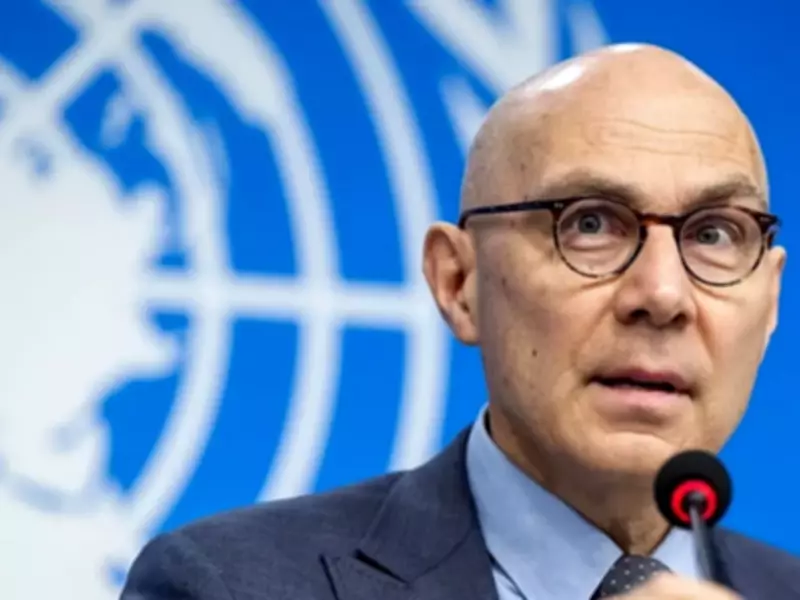
The United Nations High Commissioner for Human Rights, Volker Turk, issued a stark warning on Thursday, declaring that a new decree from Afghanistan's Taliban government is poised to further devastate human rights and freedoms in the war-torn nation, with particularly severe consequences for women and girls. Since seizing power in 2021, the Taliban has systematically imposed a series of morality laws that have restricted women's movements, barred girls from education beyond primary school, and severely limited expression and employment opportunities.
Decree Expands Harsh Punishments and Criminalizes Dissent
Turk, addressing a Human Rights Council meeting in Geneva, revealed that the decree, signed by Taliban supreme leader Hibatullah Akhundzada last month, "defines several crimes and punishments that contravene Afghanistan's international legal obligations." He elaborated that the legislation "provides for the use of corporal punishment for numerous offences, including in the home, legitimising violence against women and children." Furthermore, the decree, which is expected to come into effect imminently, significantly extends the number of offenses that carry the death penalty.
The new law also criminalizes criticism of the de facto leadership and its policies, a clear violation of fundamental freedoms of expression and assembly. Detailed provisions of the decree have not been officially published by the Taliban's Ministry of Justice or Supreme Court, and international media outlets, including Reuters, have been unable to obtain the full text from officials. The Afghan administration did not respond to immediate requests for comment on the matter.

UN Chief Urges Reversal and Highlights Regional Tensions
Turk urgently called on the Taliban to rescind the decree, impose an immediate moratorium on executions, and end the practice of corporal punishment. He emphasized that women and girls are facing relentless persecution under a system he described as akin to "gender apartheid." The Taliban has consistently maintained that women's rights are internal matters to be addressed locally, rejecting international intervention.
In his address, Turk also highlighted escalating regional tensions, noting that the recent killing of 13 civilians in Pakistani airstrikes underscores the critical need for urgent political dialogue to prevent further escalation. "I am very concerned by a sharp increase in civilian casualties in cross-border clashes with Pakistani military forces," he stated. Pakistan has asserted that its airstrikes inside Afghanistan targeted militant safe havens, a claim that Kabul has repeatedly denied. Taliban authorities condemned the strikes as a violation of Afghanistan's sovereignty and vowed to respond at what they termed an appropriate time.
The international community continues to monitor the deteriorating human rights situation in Afghanistan closely, with this latest decree representing a significant escalation in the Taliban's oppressive governance framework.