Uganda Army Chief Confirms 30 Opposition Supporters Killed, 2,000 Arrested
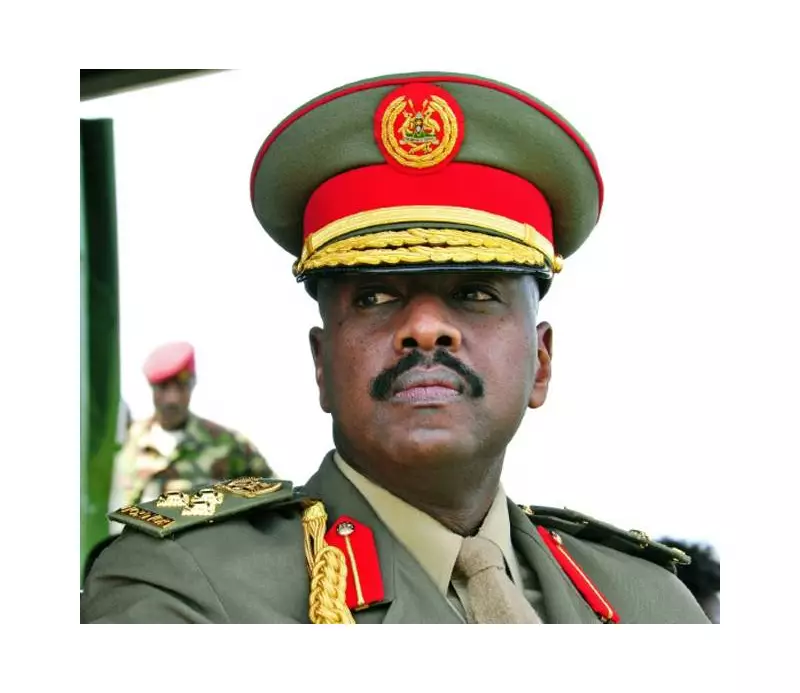
The chief of the Ugandan army has made a startling announcement, revealing that recent military operations have resulted in the deaths of 30 opposition supporters and the arrest of approximately 2,000 individuals. This disclosure has sent shockwaves through the international community, raising serious questions about human rights and political stability in the East African nation.
Details of the Military Operations
According to the army chief, the operations were conducted in response to what authorities described as unrest and illegal activities by opposition groups. The exact locations and timelines of these incidents have not been fully disclosed, but reports suggest they occurred over the past few weeks in various regions of Uganda. The army claims that the actions were necessary to maintain law and order, but critics argue they represent a severe crackdown on dissent.
International Reaction and Human Rights Concerns
The news has prompted swift reactions from global human rights organizations and foreign governments, who are calling for an independent investigation into the events. Concerns are mounting over potential violations of civil liberties and the use of excessive force by security forces. This incident adds to a growing list of human rights issues in Uganda, where political tensions have been escalating in recent years.

Impact on Uganda's Political Landscape
This development is likely to have significant repercussions for Uganda's domestic politics. The opposition has condemned the actions as an attempt to silence voices of dissent and undermine democratic processes. Analysts warn that such measures could further polarize the country and lead to increased instability, affecting not only political affairs but also economic and social conditions.
Broader Implications for Regional Stability
As a key player in East Africa, Uganda's internal conflicts could have ripple effects across the region. Neighboring countries and international partners are closely monitoring the situation, with some expressing fears that it might exacerbate existing regional tensions. The Ugandan government's handling of this crisis will be critical in determining its future relations with the global community.