UAE Urges Iran and US to Use Nuclear Talks to Prevent Escalation, Kushner to Participate
The United Arab Emirates has issued a strong appeal to Iran and the United States, urging both nations to leverage the resumption of nuclear discussions scheduled for this week to de-escalate a tense standoff that has seen mutual threats of air strikes. Emphasizing the fragile state of regional stability, the UAE underscored that the Middle East is in no position to endure another devastating war.
Upcoming Talks in Turkey and Key Participants
According to officials from Iran and the United States who spoke to Reuters on Monday, high-level negotiations concerning Iran's nuclear program are set to take place on Friday in Turkey. In a significant development, a source familiar with the situation confirmed on Tuesday that Jared Kushner, son-in-law of former US President Donald Trump, will be part of the American delegation. He will join US Special Envoy Steve Witkoff and Iranian Foreign Minister Abbas Araqchi in these critical diplomatic efforts.
This inclusion highlights the ongoing involvement of key figures from the previous administration in current foreign policy matters, adding a layer of complexity to the negotiations.

Iran's Stance and US Demands
An Iranian diplomatic source provided insight into Tehran's perspective, stating that the country's view of the upcoming talks is neither optimistic nor pessimistic. The source firmly asserted that Iran's defensive capabilities, including its ballistic missile program, are non-negotiable and that the Islamic Republic is prepared for any possible scenario.
"It remains to be seen whether the United States also intends to conduct serious, result-oriented negotiations or not," the source remarked, reflecting a cautious approach. Iranian officials have consistently defended their missile program as an essential component of national defense, a point of contention as US demands reportedly include limits on this aspect.
Regional Warnings and Historical Context
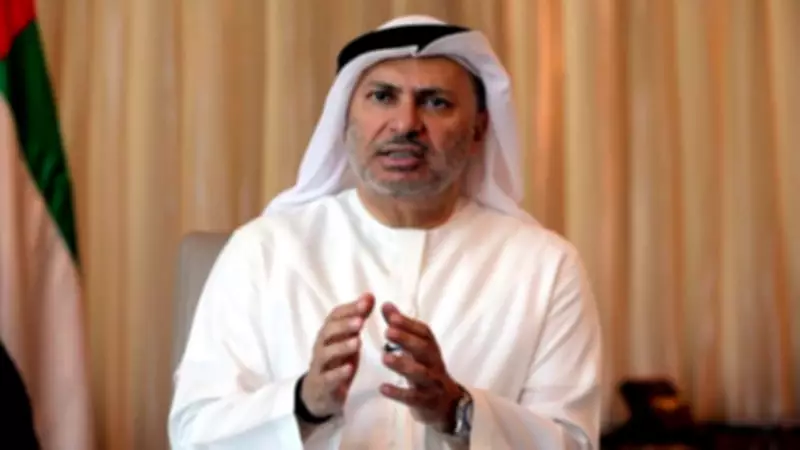
Earlier, the UAE, a major Gulf Arab oil producer and a close ally of the United States, voiced grave concerns about the potential for further conflict in the region. Anwar Gargash, an adviser to the UAE president, addressed these issues during a panel at the World Governments Summit in Dubai.
"I think that the region has gone through various calamitous confrontations," Gargash stated, highlighting the devastating impacts of past wars and underscoring the urgent need for diplomatic resolutions. His comments resonate with broader regional anxieties about the economic and humanitarian costs of renewed hostilities.
Broader Implications and Future Outlook
The resumption of talks comes amid heightened tensions, with former President Donald Trump previously warning that "bad things" could occur if a deal is not reached, referencing the deployment of large US warships to the area. This backdrop adds pressure to the negotiations, as stakeholders seek to avoid a military escalation that could destabilize the entire Middle East.
Key points to consider include:
- The UAE's role as a mediator and its strategic interest in regional stability.
- The involvement of Jared Kushner and its implications for US foreign policy continuity.
- Iran's unwavering position on its defensive programs and readiness for all outcomes.
- The historical context of conflicts in the Middle East and the collective desire to prevent another war.
As the international community watches closely, the success of these talks could significantly influence geopolitical dynamics, offering a pathway to peace or risking further confrontation in an already volatile region.