Trump's Assertion on Cuba Sparks Political Debate
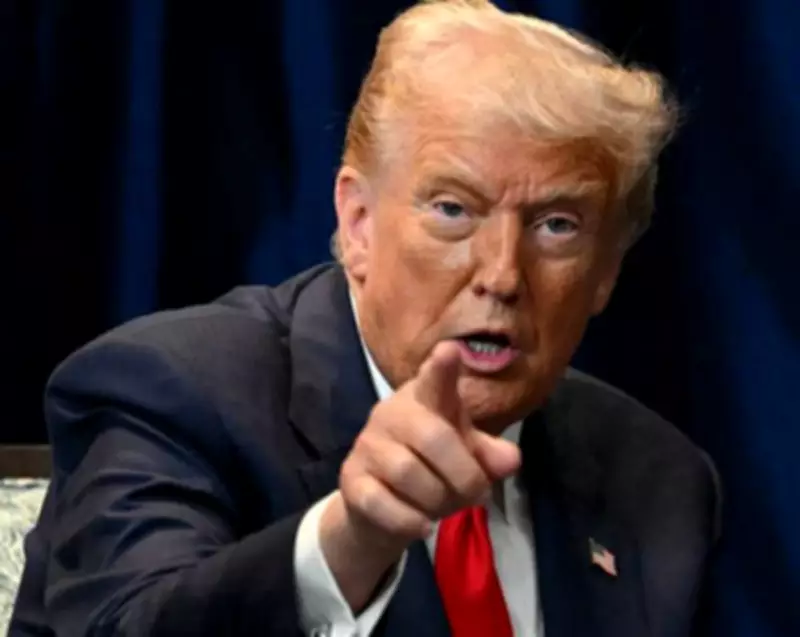
Former United States President Donald Trump has recently made a bold and controversial statement regarding Cuba, declaring that he "can do anything I want" when it comes to the island nation. This remark, delivered in a public address, has immediately ignited intense discussions among political analysts, diplomats, and the international community, raising questions about its implications for US-Cuba relations and broader foreign policy strategies.
Context and Immediate Reactions
The statement was made during a speech where Trump was discussing his administration's past and potential future approaches to Cuba. He emphasized his perceived authority and flexibility in dealing with Cuban affairs, suggesting a unilateral stance that could bypass traditional diplomatic channels. This has led to mixed reactions, with supporters praising his strong leadership and critics warning of potential destabilization in already tense bilateral relations.
Historically, US-Cuba relations have been complex, marked by periods of thaw and freeze, particularly under recent administrations. Trump's comments come at a time when geopolitical dynamics in the Caribbean are shifting, adding layers of significance to his words. Experts note that such declarations could influence ongoing negotiations and economic policies affecting both countries.

Analysis of Potential Impacts
Political observers are closely examining the possible consequences of Trump's statement. Key areas of focus include:
- Diplomatic Relations: The assertion may strain efforts to normalize ties, potentially leading to renewed tensions or sanctions.
- Economic Factors: Businesses and investors with interests in Cuba could face uncertainty, impacting trade and investment flows.
- International Perception: Other nations might view this as a sign of aggressive US foreign policy, affecting alliances and global standing.
Moreover, this development ties into broader themes of executive power and international law, with legal experts debating the extent of presidential authority in foreign affairs. The statement has also reignited discussions about the role of the US in Latin America, a region where Cuba holds significant influence.
Broader Implications and Future Outlook
Looking ahead, Trump's remarks could shape political discourse in the lead-up to future elections, as candidates may be forced to address their stances on Cuba. Additionally, it may prompt legislative actions or public debates on the limits of presidential power. The international community, including organizations like the United Nations, might respond with statements or resolutions, further complicating the diplomatic landscape.
In summary, Trump's declaration that he "can do anything I want" regarding Cuba is more than just a passing comment; it is a significant political event with potential ripple effects across multiple sectors. As the situation evolves, stakeholders from government officials to ordinary citizens will be watching closely to see how this unfolds in the complex tapestry of US-Cuba relations.