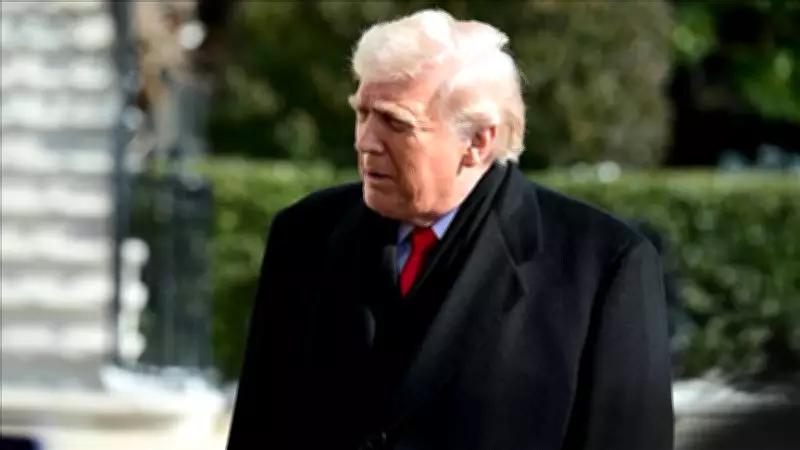
US President Donald Trump expressed cautious optimism on Friday regarding the potential for a settlement between Ukraine and Russia, even as he highlighted the significant personal and political tensions between the leaders of the two nations. Speaking to reporters during a briefing at the White House, Trump addressed the ongoing conflict and the challenges posed by the strained relationship between Ukrainian President Volodymyr Zelenskyy and Russian President Vladimir Putin.
Trump's Remarks on the Conflict
In his comments, Trump acknowledged the deep-seated animosity that complicates diplomatic efforts. He stated, "Zelenskyy and Putin hate each other, and it makes it very difficult. But I think we're getting very close to getting a settlement." This remark underscores the personal dynamics that have hindered progress in resolving the long-standing dispute between Ukraine and Russia.
Lack of Specific Details
Despite his optimistic tone, Trump did not provide any concrete details about the substance of the ongoing discussions or the specific terms being negotiated. He simply added, "I think that we have a good chance of getting it settled," leaving many questions unanswered regarding the potential framework of such an agreement.

Context of the Ukraine-Russia Conflict
The conflict between Ukraine and Russia has been a major point of international concern, with tensions escalating in recent years. Key factors include:
- Territorial disputes, particularly over regions like Crimea and eastern Ukraine.
- Political and military interventions by Russia.
- International sanctions and diplomatic efforts to mediate the situation.
Trump's comments come at a time when global leaders are closely monitoring developments, hoping for a peaceful resolution to the crisis. His emphasis on the personal hostility between Zelenskyy and Putin highlights how individual relationships can impact broader geopolitical negotiations.
Implications for International Relations
If a settlement is indeed reached, it could have significant implications for regional stability and international diplomacy. However, without further details from Trump or other officials, the feasibility and terms of such an agreement remain speculative. Observers are likely to await more concrete announcements or actions from the involved parties.
In summary, while Trump's remarks suggest a positive outlook for ending the Ukraine-Russia conflict, the lack of specifics and the acknowledged animosity between leaders leave the situation uncertain. The international community will continue to watch for developments that could pave the way for a lasting peace.