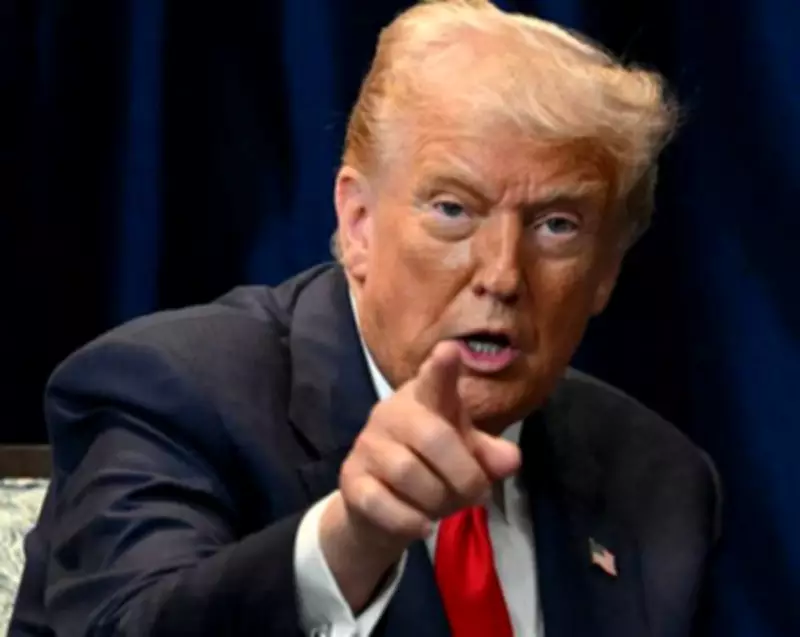
President Donald Trump retains the ultimate authority to decide the fate of the United States' involvement in the Iran nuclear deal, according to senior administration officials. The deal, formally known as the Joint Comprehensive Plan of Action (JCPOA), has been a subject of intense debate within the White House and among international partners.
Background of the Deal
The JCPOA was signed in 2015 between Iran and the P5+1 (the United States, United Kingdom, France, Russia, China, and Germany). It aimed to limit Iran's nuclear program in exchange for sanctions relief. However, Trump has been a vocal critic of the agreement, calling it a "terrible deal" during his campaign and presidency.
Current Status
As of late May 2026, the Trump administration is weighing options that range from renegotiating the terms to withdrawing entirely. European allies have urged the US to remain in the deal, warning that a collapse could lead to regional instability. Meanwhile, Iran has stated it will resume nuclear activities if the US pulls out.

Key Factors
- National Security: Trump's decision will be influenced by intelligence assessments regarding Iran's compliance and potential threats.
- Economic Impact: Withdrawal could affect global oil prices and US businesses operating in Iran.
- Diplomatic Relations: The move will impact ties with European allies and adversaries like Russia and China.
What's at Stake
The decision is seen as a pivotal moment for US foreign policy. A withdrawal could isolate the US diplomatically, while staying might be seen as a concession to critics. Trump has emphasized that he will prioritize American interests above all.
As the deadline approaches, the world watches closely. The final decision rests solely with President Trump, who has yet to signal his definitive choice.