UK Prime Minister Keir Starmer to Visit China in Bid to Strengthen Economic and Diplomatic Ties
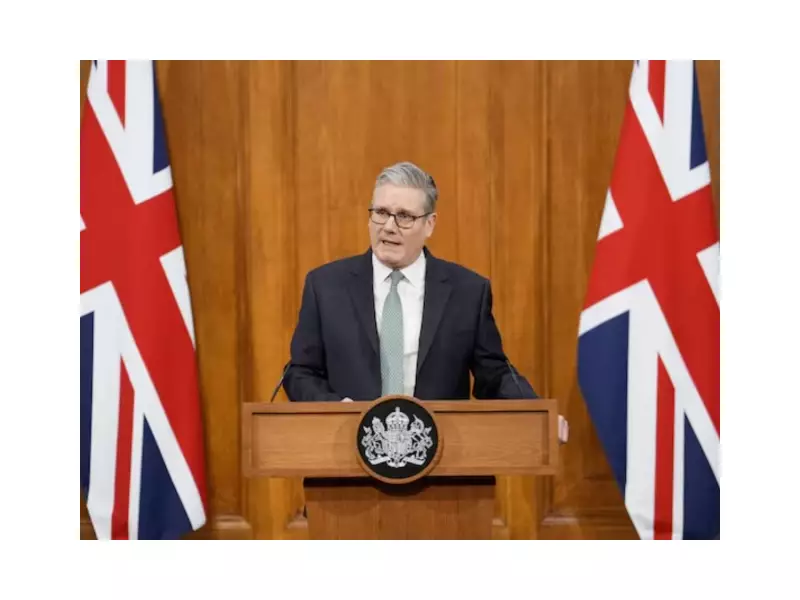
Prime Minister Keir Starmer is set to depart for China on Tuesday evening, marking the first visit by a British leader in eight years. This significant diplomatic mission aims to repair relations with the world's second-largest economy and lessen the United Kingdom's reliance on an increasingly unpredictable United States. Starmer's journey follows a trend of Western leaders engaging with Beijing, as global dynamics shift.
Navigating US Tensions and Global Anomalies
The visit occurs against a backdrop of strain between Britain and its long-standing ally, the United States, fueled by recent remarks from President Donald Trump, including threats to control Greenland. According to Kerry Brown, a professor of Chinese studies at King's College London, a central focus of the trip will be how both nations perceive the current behavior and posture of the U.S. and Trump. "One of the great anomalies of the current situation is that London is probably closer to Beijing than Washington on some global issues like AI, public health, and the environment," Brown noted, highlighting the complex geopolitical landscape.
Resetting Relations After Years of Deterioration
Since his election in 2024, Starmer has prioritized resetting ties with China, which had frayed under previous governments due to disputes over Beijing's crackdown on pro-democracy protests in Hong Kong and allegations of espionage and cyberattacks. This visit offers China an opportunity to court another U.S. ally grappling with Trump's volatile trade policies, similar to Canada's Prime Minister Mark Carney's recent trip, which resulted in an economic agreement. In response to Carney's visit, Trump threatened to impose 100% tariffs on Canadian goods if the deal with China proceeds.

Economic Ambitions and Business Delegation
Accompanied by dozens of business executives and two ministers, Starmer will meet with Chinese President Xi Jinping and Premier Li Qiang in Beijing before traveling to Shanghai and then Japan. China's foreign ministry spokesperson Guo Jiakun stated that the trip aims to open a "new chapter in the healthy and stable development of China-UK relations," with a focus on deepening practical cooperation. The commerce ministry anticipates the signing of trade and investment deals during the visit.
Britain seeks closer economic and trade ties with China to support Starmer's pledge to improve living standards through investments in public services and the economy. However, this strategy has faced fierce criticism from some British and U.S. politicians. Government data reveals that in the 12 months to mid-2025, China was Britain's fourth-largest trading partner, with trade totaling approximately 100 billion pounds ($137 billion).
Mixed Results and Economic Challenges
Western leaders have experienced varied outcomes from recent visits to China. While Carney secured a deal reducing tariffs on Chinese electric vehicles and Canadian canola oil, French President Emmanuel Macron's December visit yielded relatively few economic benefits. Sam Goodman, a policy director at the China Strategic Risks Institute in London, expressed skepticism, pointing out that Britain has so far gained little economically from improved relations with Beijing and may struggle to replace its dependence on the U.S.
Goodman highlighted key statistics:
- China accounts for only 0.2% of foreign direct investment in Britain, compared to about one-third from the United States.
- Britain's market share for goods and services with China declined in the past year.
He questioned the tangible outcomes of the visit, asking, "Are there tangible outcomes that really point to meaningful growth in the British economy?"

Sensitive Timing and Security Concerns
Starmer's visit follows his government's approval of China's contested plans to build a mega-embassy in London, despite objections from politicians who warned it could facilitate spying operations. Last month, Starmer laid the groundwork for the trip by acknowledging China's national security threats but arguing that closer business ties serve Britain's national interest. The timing is particularly sensitive due to Trump's claims about China posing a threat in the Arctic, underscoring the broader tensions between Western leaders and the United States.
As Starmer embarks on this historic journey, the world watches to see if it will yield the economic and diplomatic breakthroughs Britain seeks, or if it will become another chapter in the complex saga of global power shifts.