Russia Declares Readiness for Nuclear Arms Control Void as New START Treaty Nears Expiration
Russia has announced its preparedness for a new global reality where nuclear arms control limits cease to exist, following the impending expiration of the New START treaty later this week. The statement was made by Russia's key arms control official on Tuesday, highlighting a significant shift in international security dynamics.
Imminent End of New START Treaty
The New START treaty, originally signed in 2010 by then-US President Barack Obama and Russian President Dmitry Medvedev, is set to expire on February 5. This landmark agreement has served as a cornerstone of nuclear arms control between the world's two largest nuclear powers for over a decade. Unless Moscow and Washington can forge a last-minute bilateral understanding, the treaty will lapse, potentially creating an unprecedented situation in global nuclear diplomacy.
Official Statements and Diplomatic Stance
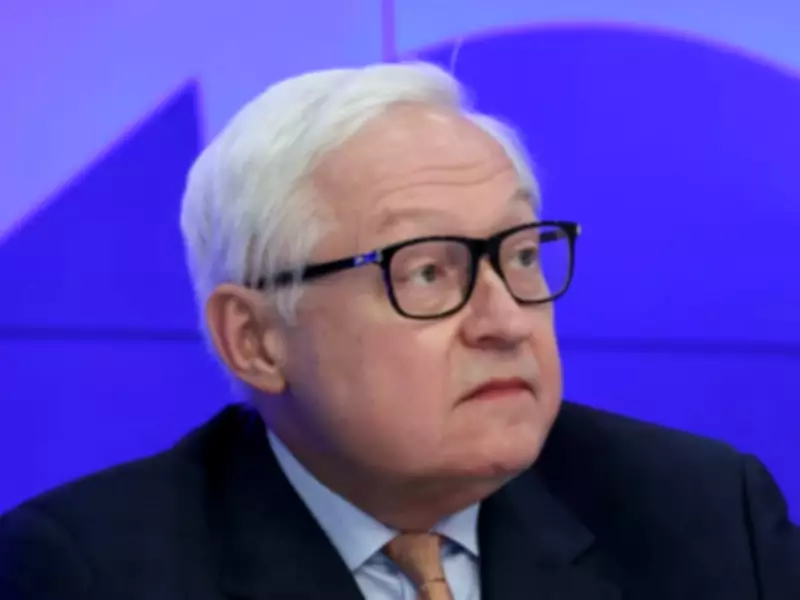
Deputy Foreign Minister Sergei Ryabkov, Russia's point man for arms control, emphasized Moscow's position during discussions in Beijing. "The lack of an answer is also an answer," Ryabkov was quoted by the state news agency TASS as saying, referring to the absence of a response from Washington regarding Russian proposals to extend the New START limits.

Ryabkov further elaborated that Russia is ready for the new reality where, for the first time in decades, the two largest nuclear powers would operate without any formal limits on their arsenals. This statement underscores Moscow's strategic positioning as it anticipates the treaty's expiration.
Broader International Context
In addition to addressing the New START situation, Ryabkov articulated Russia's support for China's position on arms control, indicating potential alignment between Moscow and Beijing on nuclear security matters. Regarding Iran, he criticized the United States' proposals as tantamount to ultimatums, reflecting ongoing tensions in Middle Eastern diplomacy.
Ryabkov also issued a warning concerning US military deployments, stating that if the United States were to deploy significant missile defense systems in Greenland, Russia would be compelled to take compensatory measures within its military sphere. This remark highlights the interconnected nature of global security and the potential for escalation in military posturing.
Implications for Global Security
The expiration of the New START treaty without a replacement or extension could mark a pivotal moment in international relations. The absence of nuclear arms control limits between Russia and the United States raises concerns about:
- Increased nuclear proliferation risks
- Potential arms race dynamics
- Heightened global security tensions
- Challenges to diplomatic negotiations on disarmament
As the deadline approaches, the international community watches closely to see whether diplomatic efforts can avert a complete breakdown in nuclear arms control frameworks that have maintained strategic stability for years.