Pakistan's Strategic Pivot in the Evolving Gulf Order
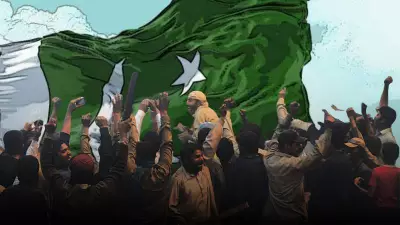
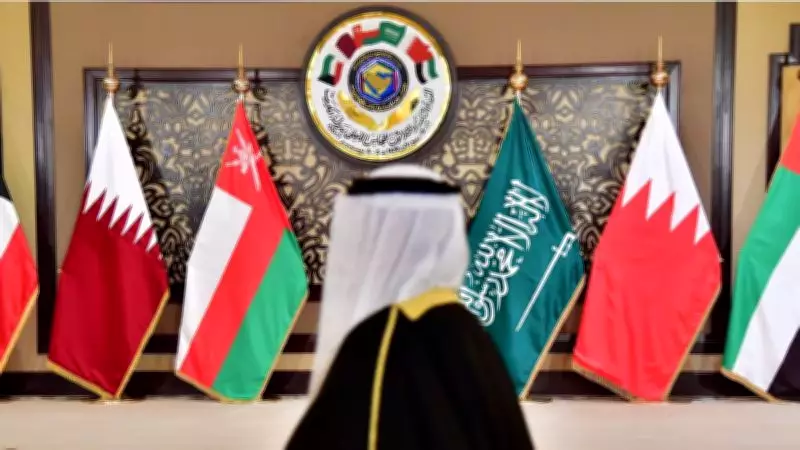
Pakistan is actively navigating a significant transformation in the Gulf region's geopolitical landscape, often referred to as the "new Gulf order." This shift involves complex realignments among key players like Saudi Arabia, the United Arab Emirates (UAE), and Iran, with profound implications for Pakistan's foreign policy and economic interests. As these nations adjust their regional strategies, Pakistan finds itself at a critical juncture, requiring deft diplomacy to maintain balanced relations and capitalize on emerging opportunities.
Balancing Relations with Saudi Arabia and the UAE
Historically, Pakistan has maintained strong ties with Saudi Arabia and the UAE, rooted in economic cooperation, defense partnerships, and cultural affinities. In recent years, however, these relationships have evolved as both Gulf states pursue more independent foreign policies. Saudi Arabia's Vision 2030 initiative, aimed at economic diversification, has opened new avenues for Pakistani labor exports and investment collaborations. Similarly, the UAE's focus on innovation and trade has led to increased bilateral engagements, particularly in sectors like technology and logistics.
Despite these positive developments, challenges persist. Pakistan must carefully manage expectations regarding financial support and navigate occasional diplomatic tensions, such as those arising from regional conflicts or policy divergences. The country's leadership is emphasizing a pragmatic approach, leveraging its strategic location and diaspora connections to foster mutually beneficial partnerships without over-reliance on any single ally.

Engaging Iran Amid Regional Complexities
Pakistan's relationship with Iran presents a more nuanced dimension of the new Gulf order. While historical and cultural ties bind the two neighbors, geopolitical factors, including Iran's tensions with Saudi Arabia and international sanctions, complicate the partnership. Pakistan is pursuing a cautious yet constructive engagement with Iran, focusing on areas like border security, energy trade, and regional connectivity projects such as the Iran-Pakistan gas pipeline.
This balancing act requires Pakistan to avoid entanglement in broader regional rivalries while safeguarding its own interests. Diplomatic efforts are underway to enhance dialogue and cooperation, recognizing Iran's role in regional stability and Pakistan's need for diversified energy sources. The evolving dynamics in the Gulf necessitate a flexible and adaptive foreign policy that can respond to shifting alliances and emerging threats.
Economic Opportunities and Strategic Imperatives
The new Gulf order offers Pakistan significant economic opportunities, particularly in trade, investment, and remittances. Gulf countries remain major destinations for Pakistani expatriates, whose remittances contribute substantially to the national economy. Additionally, initiatives like the China-Pakistan Economic Corridor (CPEC) intersect with Gulf interests, potentially creating synergies in infrastructure development and regional connectivity.
To maximize these benefits, Pakistan is enhancing its diplomatic outreach and economic diplomacy. This includes high-level visits, trade delegations, and participation in regional forums to showcase Pakistan's potential as a reliable partner. Strategic imperatives also involve addressing internal challenges, such as political stability and economic reforms, to bolster Pakistan's credibility and attractiveness to Gulf investors.
Future Prospects and Diplomatic Challenges
Looking ahead, Pakistan's navigation of the new Gulf order will be shaped by several factors, including the resolution of regional conflicts, the impact of global power shifts, and domestic political developments. Key diplomatic challenges include maintaining neutrality in Saudi-Iran tensions, securing economic support without compromising sovereignty, and adapting to the UAE's evolving regional role.

Experts suggest that Pakistan should prioritize a multi-vector foreign policy, strengthening ties with all Gulf states while exploring partnerships beyond the region. This approach can help mitigate risks and leverage opportunities in a rapidly changing geopolitical environment. Ultimately, Pakistan's success in this endeavor will depend on its ability to demonstrate strategic foresight, diplomatic agility, and a commitment to regional peace and prosperity.
In conclusion, the new Gulf order represents both a challenge and an opportunity for Pakistan. By balancing relations with Saudi Arabia, the UAE, and Iran, and focusing on economic diplomacy, Pakistan can position itself as a key player in the region's future. This strategic pivot requires sustained effort and nuanced policymaking to navigate the complexities of the evolving geopolitical landscape.