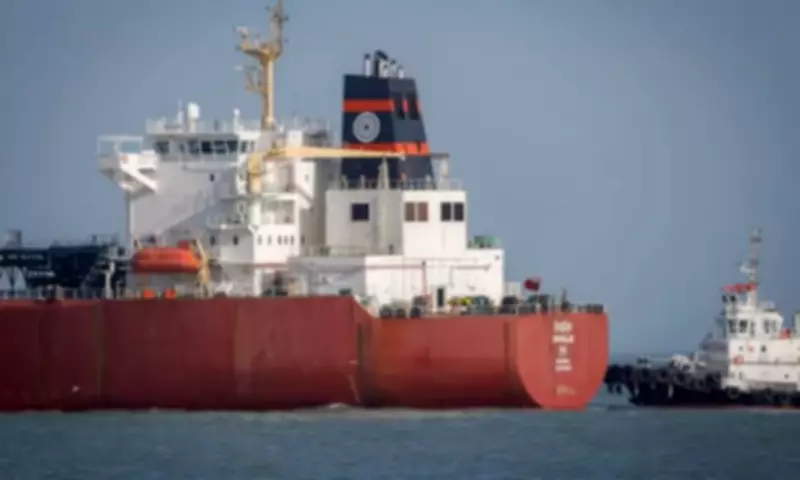
Pakistan Urges Safe Passage of Civilian Ships Through Strait of Hormuz
In a significant diplomatic move, Pakistan has formally called for the safe passage of civilian ships through the Strait of Hormuz, a vital maritime chokepoint that connects the Persian Gulf to the open ocean. This appeal underscores Pakistan's commitment to ensuring the security and stability of international shipping lanes, which are crucial for the global economy.
Strategic Importance of the Strait of Hormuz
The Strait of Hormuz is one of the world's most critical waterways, facilitating the transit of approximately one-fifth of the global oil supply and a substantial volume of liquefied natural gas. Its strategic location makes it a focal point for geopolitical tensions, with recent incidents threatening the free flow of maritime traffic. Pakistan's call for safe passage highlights the broader implications for energy security and trade, particularly for nations reliant on imports through this route.
Pakistan's Diplomatic Stance
Pakistan's appeal is rooted in its longstanding policy of promoting peace and stability in the region. By advocating for the protection of civilian vessels, Pakistan aims to prevent escalations that could disrupt international commerce and exacerbate regional conflicts. This stance aligns with Pakistan's efforts to foster dialogue and cooperation among neighboring countries, emphasizing the need for collective action to safeguard maritime security.

Impact on Global Trade and Regional Stability
The safe passage of ships through the Strait of Hormuz is not only vital for Pakistan's economic interests but also for the broader global trade network. Any disruption in this area could lead to increased oil prices, supply chain bottlenecks, and heightened geopolitical risks. Pakistan's initiative seeks to mitigate these threats by encouraging all stakeholders to adhere to international maritime laws and norms, thereby ensuring uninterrupted trade flows and regional harmony.
Future Implications and International Response
As Pakistan continues to push for safe passage, the international community is likely to monitor developments closely. This call may prompt further diplomatic engagements and collaborative measures to enhance security in the Strait of Hormuz. Pakistan's proactive approach could set a precedent for other nations to prioritize maritime safety, contributing to a more stable and predictable environment for global shipping.