In a significant diplomatic development, Pakistan has formally communicated to its close ally China that it will maintain its established policy of non-engagement with the Taliban regime in Afghanistan. This decision stems directly from Kabul's persistent refusal to alter its position regarding the presence and activities of the outlawed Tehreek-e-Taliban Pakistan (TTP) and other terrorist groups operating from Afghan territory.
China's Intensive Mediation Efforts
Beijing recently intensified its diplomatic engagement by dispatching its special envoy on Afghanistan to both Kabul and Islamabad. This shuttle diplomacy was part of a broader initiative aimed at calming the simmering tensions between the two neighboring nations. According to an official statement from China's Foreign Ministry, Foreign Minister Wang Yi also conducted a telephone conversation with Afghanistan's acting Foreign Minister Mawlawi Amir Khan Muttaqi to discuss the ongoing situation.
The Chinese statement explicitly noted that its special envoy was "currently shuttling between Afghanistan and Pakistan in an effort to mediate." It further expressed Beijing's hope that "both sides will remain calm and exercise restraint, hold face-to-face talks as soon as possible, achieve a ceasefire at an early date, and resolve disputes and differences through dialogue." China reiterated its readiness to continue making active efforts to facilitate reconciliation and ease tensions between Pakistan and Afghanistan.

Pakistan's Firm Stance on Ground Realities
Sources privy to the development revealed that while Pakistan acknowledged China's sincere efforts to defuse the crisis, it made unequivocally clear that a return to normal diplomatic engagement with Kabul was impossible without tangible changes on the ground. Pakistani authorities conveyed to their Chinese counterparts that Islamabad had already exhausted all diplomatic avenues before adopting its current policy toward the Taliban government.
According to these sources, Pakistan had repeatedly raised its concerns through bilateral channels as well as through friendly countries in a concerted attempt to address what it described as the longstanding problem of the Taliban regime harboring TTP and other militant groups. However, meetings between the Chinese envoy and Pakistani officials led Islamabad to conclude that the Taliban leadership had not altered its fundamental position.
Divergent Perspectives on TTP Presence
Officials familiar with the discussions disclosed that Taliban authorities reiterated to the Chinese envoy their longstanding position that the TTP issue was Pakistan's "internal problem," while maintaining that Afghan territory was not being used against neighboring countries. Pakistani officials categorically rejected this claim, citing what they described as ample evidence, including reports by the United Nations Security Council, which they say corroborate Islamabad's position regarding the presence and activities of TTP terrorists in Afghanistan.
Under these circumstances, Pakistan conveyed to Beijing that there was little room for meaningful diplomatic progress unless Kabul took concrete, verifiable steps to address Islamabad's legitimate security concerns. This position effectively means Islamabad has declined the latest diplomatic effort by Beijing, despite the two nations' close alliance.
Official Confirmation of Policy Continuity
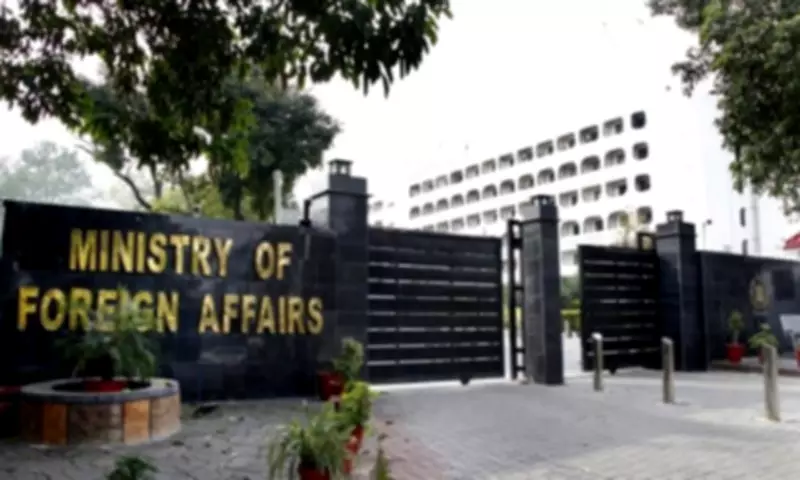
At his weekly press briefing, Foreign Office spokesperson Tahir Andrabi confirmed that Pakistan would maintain its current policy toward Afghanistan despite calls from some friendly countries for engagement with the Taliban authorities. "As regards the situation in Afghanistan, the situation remains the same," Andrabi stated. "We have emphatically communicated to Afghanistan and to our interlocutors that we need verifiable assurances from the Afghan side that their territory would not be used for terrorism against Pakistan."
He added definitively: "Since those assurances have not been received, we will continue with our existing policy with respect to that country." Nevertheless, diplomatic sources suggest that while Pakistan sticks to its overall stance, the possibility of a temporary pause in hostilities during the upcoming Eid celebrations has not been entirely ruled out, indicating some flexibility within the broader policy framework.

The development underscores the complex geopolitical dynamics in the region, where even close allies like China and Pakistan may find their diplomatic priorities diverging on specific issues. It also highlights Pakistan's determination to prioritize its national security concerns above diplomatic convenience, even when this means declining mediation efforts from a traditionally supportive partner.