Pakistan has delivered a powerful message to the global community, reiterating its unwavering commitment to eradicating terrorism while underscoring the immense human and economic toll the nation has endured. The strong reaffirmation came during a high-level United Nations Security Council debate focused on threats to international peace and security.
A Firm Stance on the Global Stage
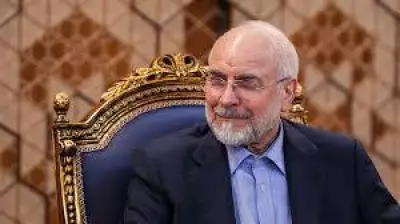
Ambassador Munir Akram, Pakistan's Permanent Representative to the UN, articulated the country's position with clarity and conviction. He emphasized that Pakistan's resolve to combat terrorism remains absolute and unshaken. This statement serves as a crucial reminder of Pakistan's frontline role in a conflict that has had profound consequences for its society and stability.
The ambassador's address was not merely a declaration of intent but a sobering account of sacrifice. He detailed the heavy price paid by the nation, which has lost over 80,000 of its citizens and suffered economic losses exceeding $150 billion due to terrorism and its fallout. These staggering figures highlight the depth of the challenge Pakistan has faced for decades.

The Human and Economic Cost of Conflict
Beyond the numbers, the human cost forms the core of Pakistan's narrative. The lives lost include security personnel, civilians, and victims of countless acts of violence that have disrupted communities and shattered families. The economic impact, quantified in hundreds of billions, has slowed development, diverted crucial resources, and hampered progress on vital national projects.
Ambassador Akram pointedly addressed the need for the international community to recognize these sacrifices. He argued that global cooperation must be grounded in a clear understanding of the burdens shouldered by countries like Pakistan, which have been at the epicenter of this protracted struggle.
Call for Justice and Sustained Action
A significant portion of the envoy's remarks focused on the imperative of bringing terrorists and their supporters to justice. He called for consistent and impartial action against all terrorist entities, regardless of their origin or affiliations. This call for justice extends to holding financiers and ideologues accountable, targeting the entire ecosystem that sustains extremist violence.
The ambassador also warned against the politicization of counter-terrorism efforts, suggesting that selective condemnation or action undermines global solidarity and effectiveness. His message reinforced the principle that terrorism in all its forms and manifestations must be condemned and combated universally.
Looking forward, Pakistan's statement outlined a vision for a sustainable peace. This involves not only security measures but also addressing the root causes of extremism, such as poverty, injustice, and foreign occupation. The comprehensive approach advocated by Pakistan includes rehabilitation, deradicalization, and fostering international cooperation based on shared responsibility.
The reaffirmation of Pakistan's resolve at the UN Security Council is a significant diplomatic moment. It positions the country as a responsible state committed to its own security and to global peace, while demanding that its immense sacrifices be acknowledged and factored into the international counter-terrorism calculus. The world has been reminded that Pakistan's fight is a key front in a global war, and its continued determination is vital for regional and international stability.