Pakistan Issues Strong Diplomatic Protest to Afghanistan Over Bajaur Terrorist Attack
In a significant diplomatic move, Pakistan has formally summoned the Afghan Deputy Head of Mission to convey a strong demarche regarding a recent terrorist attack in Bajaur. The incident, which occurred on February 16, resulted in the martyrdom of 11 Pakistani soldiers, prompting urgent action from the Foreign Office.
Details of the Attack and Pakistan's Response
According to a press release issued by the Foreign Office spokesperson on Thursday, Pakistan condemned in the strongest possible terms the vehicle-borne suicide terrorist attack followed by a fire raid on a military and law enforcement post in Bajaur. The assault was carried out by Fitna al Khwarij / TTP, a group that Pakistan identifies as an Indian-sponsored proxy.
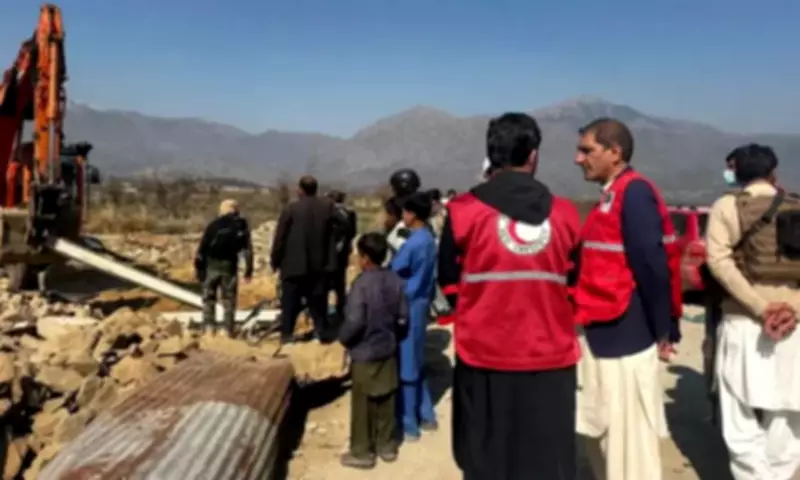
The Inter-Services Public Relations (ISPR) reported that security forces successfully neutralised 12 terrorists during the foiled attack on a joint check post in Bajaur district. Despite the swift and decisive response from vigilant troops, the attackers managed to ram an explosives-laden vehicle into the perimeter wall. The resulting blast caused the collapse of the check post infrastructure, leading to the tragic loss of 11 security personnel.

Serious Concerns Over Afghan Soil Usage
The foreign ministry conveyed serious concern that FAK/TTP, whose entire leadership is based in Afghanistan, operates with impunity from Afghan soil. It was reemphasised that Pakistan has repeatedly received assurances from the Afghan Taliban regime, but, regrettably, with no visible or concrete actions to curb such activities.
The Afghan Taliban regime has been explicitly told to take immediate, concrete, and verifiable measures against all terror groups operating from its territory, including their leadership. The Foreign Office spokesperson added that the regime has been categorically informed that Pakistan reserves the right to respond and eliminate any Khwarij belonging to the FAK group along with their affiliates, wherever they are located, to ensure the safety of its soldiers, civilians, and territorial boundaries.
Broader Implications and Regional Stability
This demarche underscores the ongoing tensions and security challenges in the region, highlighting Pakistan's firm stance against terrorism emanating from neighboring territories. The incident and subsequent diplomatic action reflect the critical need for cross-border cooperation to combat extremist elements that threaten regional peace and stability.
As Pakistan continues to grapple with security threats, this move signals a clear message to the Afghan Taliban regime about the urgency of addressing terrorist safe havens. The international community will be closely monitoring the response from Kabul, as such developments have significant implications for bilateral relations and broader geopolitical dynamics in South Asia.