Pakistan Accuses India of Terrorism and Warns of Regional Instability
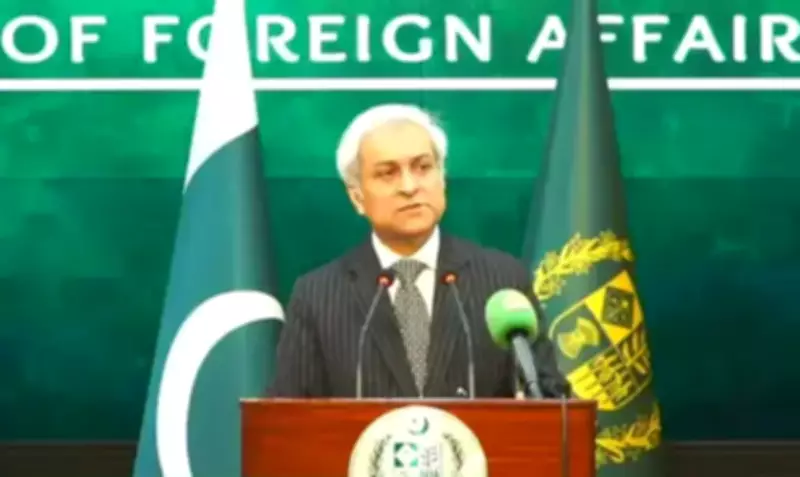
Pakistan has formally accused India of involvement in terrorist activities within its territory and condemned what it describes as anti-Pakistan propaganda from New Delhi. In a weekly media briefing held on Thursday, Foreign Office spokesperson Tahir Hussain Andrabi issued a stern warning, stating that recent actions by Israel pose a significant threat to regional peace and stability.
Diplomatic Engagements and Regional Cooperation
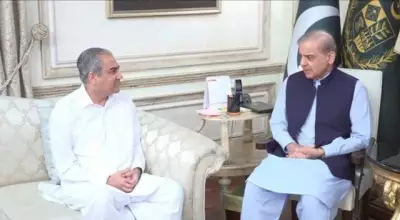
Andrabi highlighted recent diplomatic efforts, noting that Prime Minister Shehbaz Sharif visited Doha at the invitation of the Emir of Qatar. During this visit, the two nations agreed to enhance cooperation across all areas of mutual interest, including consultations on Afghanistan and defence collaboration. This move underscores Pakistan's commitment to strengthening regional alliances amid ongoing tensions.
In another key development, Deputy Prime Minister and Foreign Minister Ishaq Dar has departed for Saudi Arabia to present Pakistan's position at an extraordinary meeting of the Executive Committee of the Organisation of Islamic Cooperation (OIC). This participation aims to address pressing regional issues and solidify Pakistan's stance on international platforms.

Condemnation of Israeli Actions and Indian Policies
Reiterating Pakistan's firm stance on Palestine, Andrabi strongly condemned Israel's decision to convert parts of the West Bank into state land, labeling the step as unacceptable and a clear violation of international law. He emphasized that such actions exacerbate regional conflicts and undermine peace efforts.
Marking the 19th anniversary of the Samjhauta Express attack, which resulted in over 70 fatalities, Andrabi criticized the Indian government for what he termed its "callousness" in releasing four convicted individuals. He demanded that all those responsible for the attack be brought to justice, accusing India of failing to address terrorism adequately.
Afghanistan Relations and Security Concerns
On the topic of Afghanistan, Andrabi clarified that Pakistan's actions are directed solely against terrorists and not the Afghan people. He mentioned that documented evidence of terrorism has been presented to the United Nations Security Council, reinforcing Pakistan's claims of cross-border threats.
While welcoming Qatar's role in facilitating reconciliation between Pakistan and Afghanistan, Andrabi described threatening statements from Kabul as regrettable. He warned that Pakistan's armed forces and law enforcement agencies are fully prepared to respond to any threats, ensuring national security remains a top priority.
Vigilance Against Regional Challenges
The spokesperson further noted that Pakistan is aware of defence cooperation between India and Israel and remains vigilant against any challenges to peace and stability in the region. He expressed concern over the potential implications of such alliances on regional dynamics.
Referring to protests in Israel during the visit of Indian Prime Minister Narendra Modi, Andrabi remarked that it was "encouraging to see that some conscientious voices still exist there," hinting at internal dissent against policies perceived as aggressive.
In summary, Pakistan's Foreign Office has articulated a multifaceted response to regional threats, combining diplomatic outreach with firm condemnations of actions by India and Israel. The statements reflect ongoing efforts to safeguard national interests while advocating for justice and stability in South Asia and beyond.