Pakistan Accuses Afghanistan of Acting as India's Proxy, Sharjeel Memon Claims
In a significant diplomatic statement, Pakistan's Information Minister Sharjeel Memon has publicly accused Afghanistan of functioning as a proxy for India, escalating regional tensions and highlighting ongoing geopolitical rivalries. This allegation underscores the complex and often strained relationships between South Asian nations, with Pakistan positioning itself against perceived external influences in its neighboring country.
Details of the Allegation
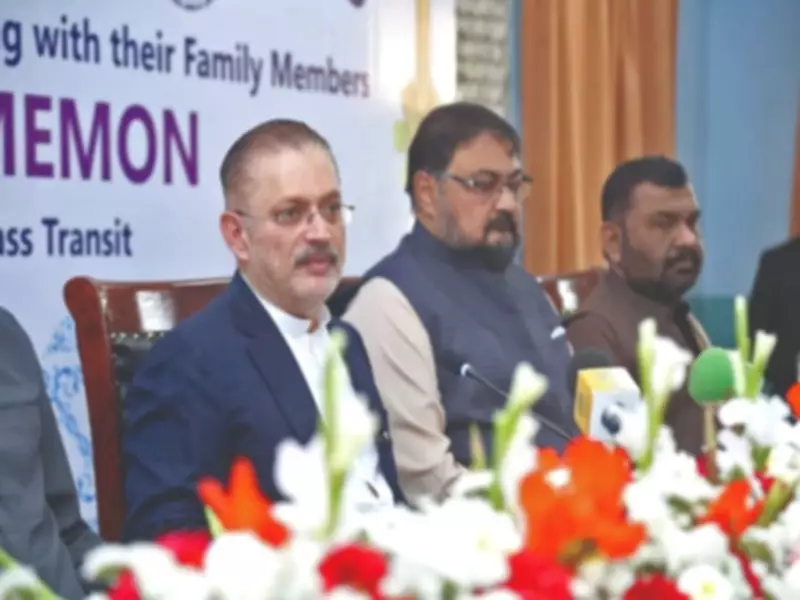
Sharjeel Memon, serving as the Information Minister of Pakistan, made these remarks during a recent press conference, where he emphasized that Afghanistan's actions are being directed by India to undermine Pakistan's interests. The minister did not provide specific evidence but asserted that this proxy relationship is part of a broader strategy to destabilize the region. He pointed to various incidents and policies that he claims align with Indian objectives rather than Afghan sovereignty.
This accusation comes amid a backdrop of historical tensions between Pakistan and India, with Afghanistan often caught in the middle due to its strategic location and political dynamics. Memon's statements reflect Pakistan's growing concerns about foreign interference in its affairs, particularly from India, which has long been a rival in the subcontinent.

Regional Implications and Reactions
The allegation has potential to further strain Pakistan-Afghanistan relations, which have been fragile due to issues such as border disputes, refugee crises, and security threats. By labeling Afghanistan as a proxy, Pakistan is signaling a hardline stance that could complicate diplomatic efforts and regional cooperation. Experts suggest that this move might be aimed at rallying domestic support or pressuring Afghanistan to reconsider its alliances.
India has not yet responded to these claims, but historically, it has denied such allegations, maintaining that its engagement with Afghanistan is based on bilateral cooperation and development projects. The situation highlights the intricate web of alliances and conflicts in South Asia, where proxy wars and indirect confrontations are not uncommon.
Background and Context
Pakistan and Afghanistan share a long and tumultuous border, with cross-border movements and security challenges being persistent issues. India's involvement in Afghanistan has increased over the years, particularly in areas like infrastructure and education, which Pakistan views with suspicion. Sharjeel Memon's accusation is part of a pattern where Pakistani officials have voiced concerns about Indian influence in Afghanistan, citing it as a threat to regional stability.
This development could impact ongoing peace processes and international efforts to stabilize Afghanistan, especially as the country grapples with internal conflicts and economic hardships. It also raises questions about the future of trilateral relations between Pakistan, Afghanistan, and India, with potential repercussions for broader Asian geopolitics.