Myanmar Junta Wraps Up Contentious Election as Ally Prepares for Victory
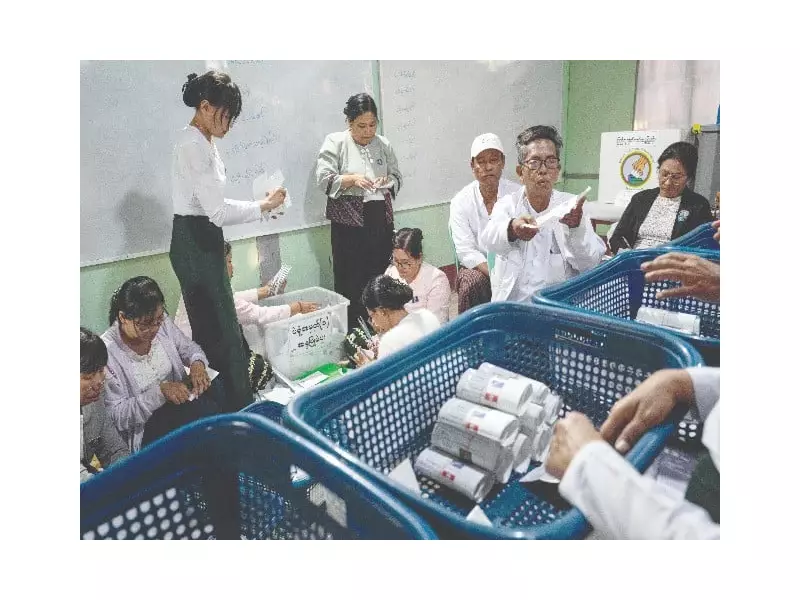
Myanmar's military junta has officially concluded a highly controversial election process, with its allied political party poised to seal a significant victory. The election, held under tight military control, has been met with widespread criticism from the international community and sparked domestic unrest, raising concerns about the future of democracy in the Southeast Asian nation.
Election Conduct and Allegations of Irregularities
The polling process was marred by numerous allegations of irregularities and a lack of transparency. Observers reported that the military junta imposed strict restrictions on opposition parties and media coverage, limiting the ability for a fair and free electoral contest. Many voters were reportedly intimidated or barred from participating, leading to low turnout in several regions.
International condemnation has been swift, with global leaders and human rights organizations denouncing the election as a sham designed to legitimize military rule. The United Nations and various Western nations have called for the restoration of civilian governance and the release of political prisoners, including ousted leader Aung San Suu Kyi.

Expected Outcome and Political Implications
Early results and projections indicate that the junta's allied party is set to secure a decisive majority in the parliament. This outcome is expected to further consolidate military power in Myanmar, potentially leading to prolonged authoritarian rule and increased isolation on the global stage.
The victory could have far-reaching consequences for Myanmar's economy and social stability, as ongoing conflicts with ethnic armed groups and pro-democracy activists are likely to intensify. Analysts warn that the election result may exacerbate the humanitarian crisis in the country, where millions are facing poverty and displacement.
Regional and Global Reactions
Neighboring countries in Southeast Asia have expressed mixed reactions, with some calling for dialogue and others remaining cautious in their responses. The Association of Southeast Asian Nations (ASEAN) has reiterated its commitment to a peaceful resolution but faces challenges in mediating the crisis due to internal divisions.
- Increased sanctions from Western nations are anticipated, targeting junta leaders and key economic sectors.
- Human rights groups are urging for stronger international pressure to hold the military accountable for alleged atrocities.
- The election outcome is likely to impact foreign investment and aid, further straining Myanmar's already fragile economy.
As the junta moves to formalize the election results, the international community remains watchful, with calls for renewed efforts to support democratic processes and human rights in Myanmar. The situation underscores the ongoing political turmoil in the region and highlights the challenges of achieving stability in conflict-affected nations.