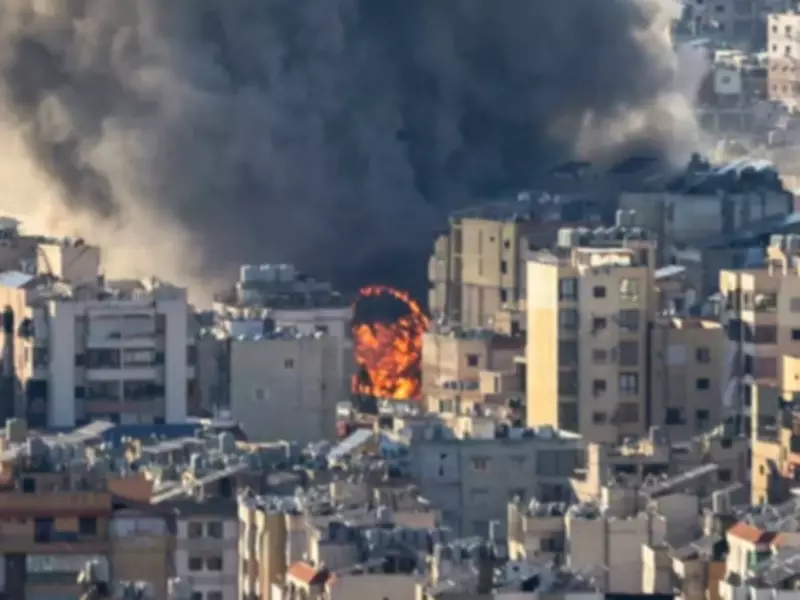
Lebanon Reports Nearly 400 Killed, Over 1,110 Injured in Ongoing Israeli Attacks
Lebanese authorities have officially confirmed that the ongoing Israeli military attacks have resulted in nearly 400 fatalities and more than 1,110 injuries. The figures, which are based on recent assessments, highlight the severe humanitarian impact of the escalating conflict in the region. As the situation continues to develop, these numbers are expected to rise, with emergency services struggling to cope with the influx of casualties.
Rising Casualty Figures Amid Intensified Hostilities
The Lebanese government has provided updated statistics, indicating that the death toll has reached approximately 400 individuals, while injuries have surpassed 1,110. This surge in casualties is attributed to intensified Israeli airstrikes and ground operations targeting various locations across Lebanon. The attacks have primarily focused on military installations and infrastructure, but civilian areas have also been affected, leading to significant loss of life and widespread damage.
Humanitarian Crisis and Emergency Response
In response to the mounting casualties, Lebanese emergency services and medical facilities are operating under extreme pressure. Hospitals are reporting overcrowding and shortages of essential supplies, such as blood and medical equipment. The government has called for international aid to support relief efforts, emphasizing the urgent need for humanitarian assistance to address the growing crisis. Local organizations are mobilizing to provide shelter, food, and medical care to those displaced or injured by the attacks.

International Reactions and Diplomatic Efforts
The international community has expressed concern over the rising death toll and injuries in Lebanon. Several countries and international organizations have condemned the violence and called for an immediate ceasefire to prevent further loss of life. Diplomatic efforts are underway to mediate the conflict, with talks focusing on de-escalation and humanitarian access. However, progress has been slow, and the situation remains volatile, with both sides showing little sign of backing down.
Impact on Regional Stability
The ongoing attacks and resulting casualties are exacerbating tensions in the Middle East, raising fears of a broader regional conflict. Lebanon's fragile political and economic situation is further strained by the violence, with potential implications for neighboring countries. Analysts warn that the escalation could lead to increased instability, affecting trade, security, and diplomatic relations across the region. The conflict's ripple effects are already being felt, with displaced populations and disrupted infrastructure adding to the challenges.
Future Outlook and Continued Monitoring
As the conflict persists, Lebanese authorities are closely monitoring the situation and updating casualty figures regularly. The government has urged civilians to take precautions and seek shelter in safe areas. Meanwhile, international observers are calling for transparent reporting and accountability to ensure that humanitarian laws are upheld. The coming days will be critical in determining whether diplomatic interventions can curb the violence or if the casualty count will continue to climb, deepening the humanitarian disaster in Lebanon.