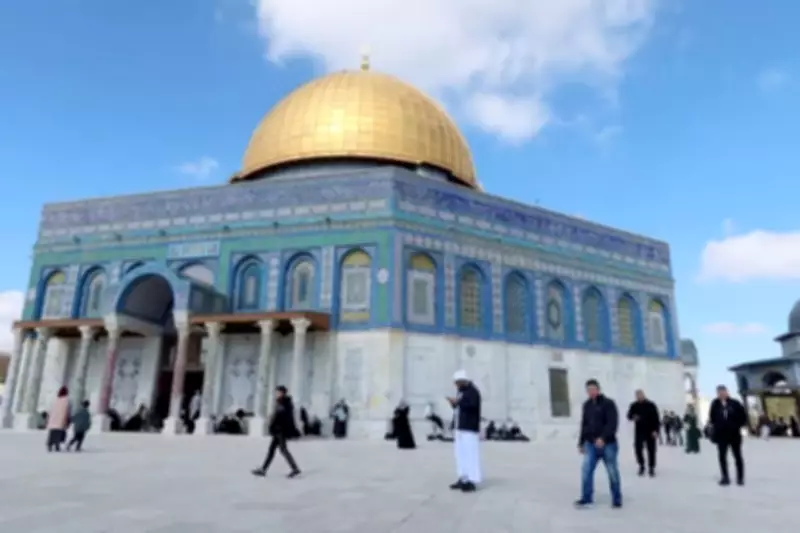
Israel Police to Deploy Around Al-Aqsa for Ramazan, Palestinians Report Curbs
Israeli authorities have announced plans to deploy police forces around the Al-Aqsa Mosque compound in Jerusalem during the holy month of Ramazan, a move that has sparked concerns among Palestinians who report increased restrictions on access and worship. This development comes amid heightened tensions in the region, with fears that the security measures could escalate conflicts during a period traditionally marked by spiritual reflection and community gatherings.
Increased Security Measures in Jerusalem
The Israeli police have stated that the deployment is intended to maintain order and prevent potential disturbances during Ramazan, which is expected to begin in early March. However, Palestinian officials and residents have criticized the move, alleging that it imposes undue limitations on their religious freedoms. Reports from Palestinian sources indicate that curbs include stricter checkpoints, reduced entry permits, and surveillance around the mosque, which is one of Islam's holiest sites.
Historically, Al-Aqsa has been a flashpoint for tensions between Israelis and Palestinians, with disputes over access and control often leading to violence. The Israeli government asserts that the security measures are necessary to ensure safety for all worshippers and prevent incidents, but Palestinians argue that such actions undermine their rights and exacerbate existing grievances.

Palestinian Perspectives on Restrictions
Palestinian communities have voiced frustration over what they describe as systematic restrictions during Ramazan, a time when many Muslims seek to perform prayers and rituals at Al-Aqsa. Local reports suggest that Israeli authorities have implemented age-based entry bans and limited the number of worshippers allowed into the compound, citing security concerns. These measures have led to protests and calls for international intervention to protect Palestinian religious practices.
In response, Israeli officials have emphasized their commitment to facilitating peaceful worship while addressing security threats. They point to past incidents, such as clashes during religious holidays, as justification for the heightened presence. Nonetheless, human rights organizations have raised alarms about the potential for these policies to violate international laws regarding freedom of religion and movement.
Regional and International Implications
The situation at Al-Aqsa Mosque is closely watched by regional and international actors, given its significance in the Israeli-Palestinian conflict. Neighboring countries and global bodies have urged restraint and dialogue to prevent escalation. The deployment of Israeli police during Ramazan could influence diplomatic relations and peace efforts, as it touches on core issues of sovereignty and religious rights in contested Jerusalem.
As Ramazan approaches, the interplay between security measures and religious freedoms will likely remain a contentious topic. Observers note that the outcome could set precedents for future interactions at holy sites, impacting not only local dynamics but also broader Middle East stability. Both sides are preparing for potential challenges, with Palestinians organizing peaceful demonstrations and Israeli authorities reinforcing their security protocols.
In summary, the planned Israeli police deployment around Al-Aqsa Mosque for Ramazan has ignited debates over security versus religious access, with Palestinians reporting curbs that threaten their worship traditions. This issue underscores the ongoing tensions in Jerusalem and highlights the need for balanced approaches that respect both safety concerns and fundamental human rights.