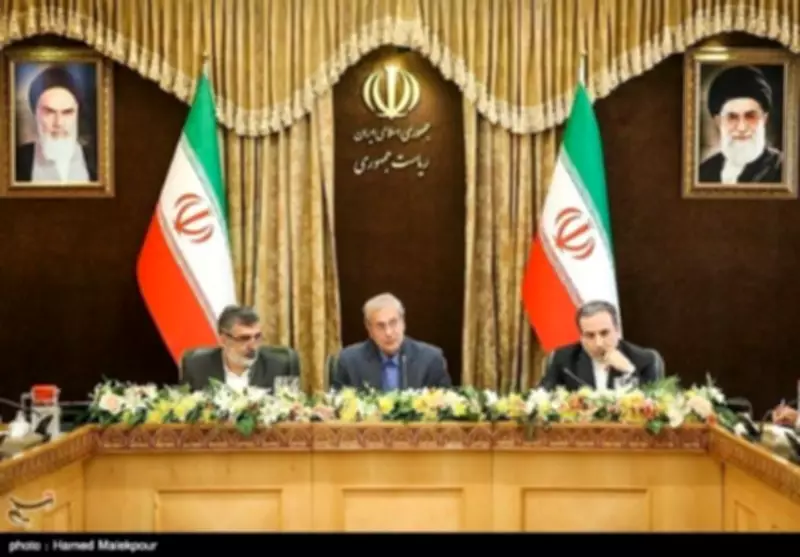
In a significant development regarding international nuclear diplomacy, Iran has publicly stated that its right to enrich uranium is a fundamental element for the success of ongoing talks with the United States. This declaration underscores a critical sticking point in the negotiations, which aim to address concerns over Iran's nuclear program and potentially revive a broader nuclear agreement.
Iran's Firm Stance on Uranium Enrichment
Iranian officials have emphasized that the ability to enrich uranium domestically is non-negotiable and central to any viable nuclear deal. They argue that this right is enshrined under international treaties, such as the Nuclear Non-Proliferation Treaty (NPT), and is crucial for Iran's peaceful nuclear energy ambitions. The statement comes amid heightened tensions and complex diplomatic maneuvers between Iran and the US, with both sides seeking to find common ground on various contentious issues.
Implications for US-Iran Relations
The insistence on uranium enrichment rights poses a challenge for US negotiators, who have historically expressed concerns about Iran's nuclear capabilities and their potential military applications. The US has called for stringent limits and monitoring mechanisms to ensure that Iran's nuclear activities remain peaceful. Iran's latest remarks highlight the delicate balance required in these talks, where national sovereignty and security interests must be reconciled with international non-proliferation goals.

Background and Context of the Nuclear Talks
The current round of negotiations follows years of stalled efforts and escalating tensions, including the US withdrawal from the Joint Comprehensive Plan of Action (JCPOA) in 2018. Since then, Iran has gradually increased its uranium enrichment levels, citing the need to respond to economic sanctions and diplomatic pressure. The talks aim to address these actions and potentially restore the JCPOA framework, but progress has been slow due to deep-seated disagreements on key issues like sanctions relief and verification measures.
Regional and Global Reactions
Iran's statement has drawn attention from regional players and the international community, with many countries monitoring the talks closely for their impact on Middle East stability. Neighboring nations and global powers are concerned about the potential for a nuclear arms race or increased conflict if the negotiations fail. The outcome of these discussions could significantly influence geopolitical dynamics in the region and beyond.
As the US and Iran continue their diplomatic engagement, the focus on uranium enrichment rights remains a pivotal factor. Both sides must navigate complex technical and political landscapes to achieve a sustainable agreement that addresses security concerns while respecting Iran's sovereign rights. The success of these talks could pave the way for improved relations and enhanced nuclear safety, but failure might lead to further escalation and uncertainty in an already volatile region.