India Ends Preventive Detention of Activist Sonam Wangchuk in Ladakh
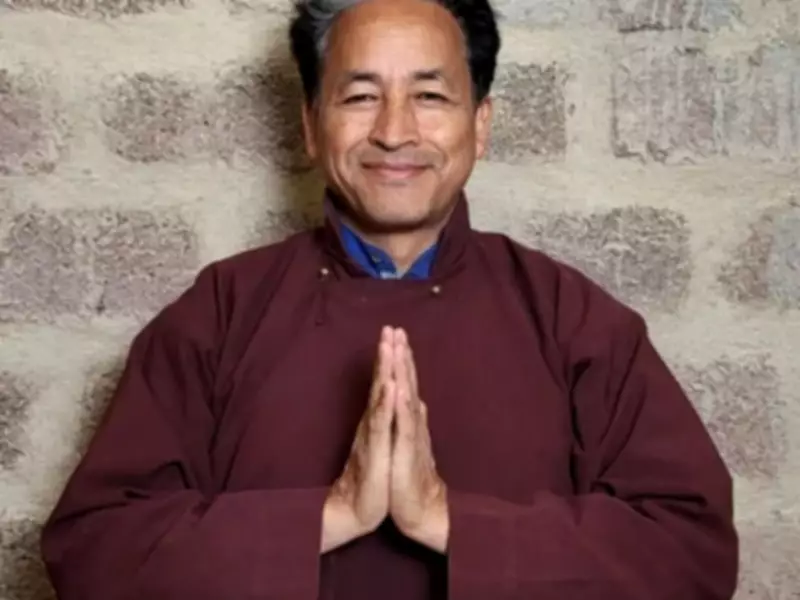
India has released prominent environmental activist Sonam Wangchuk from preventive detention, ending his six-month incarceration linked to protests in the disputed region of Ladakh. The decision, announced by the Ministry of Home Affairs on Saturday, came after Wangchuk was arrested in September 2025 and charged under the stringent National Security Act (NSA).
Background of the Arrest and Protests
Wangchuk, a 59-year-old Buddhist-Muslim figure, became a key leader in Ladakh's movement for greater autonomy following the region's loss of self-governance in 2019. At that time, Prime Minister Narendra Modi's government carved Ladakh out of occupied Kashmir, placing it under New Delhi's direct control. The activist was detained after protests that resulted in four fatalities and dozens of injuries, with authorities blaming provocative speeches by Wangchuk for the violence.
Prior to his arrest, Wangchuk had undertaken a hunger strike demanding either full federal statehood for India-held Ladakh or constitutional safeguards for its tribal communities, land, and fragile environment. The district magistrate of Leh issued the detention order, citing the need to maintain public order in the sparsely populated, high-altitude region bordering China and Pakistan.

Legal Framework and Release Details
Under the NSA, suspects can be held for up to twelve months without formal charges. The home ministry stated it decided to terminate Wangchuk's detention with immediate effect after due consideration, emphasizing its commitment to fostering peace, stability, and mutual trust in Ladakh to enable constructive dialogue with stakeholders.
Wangchuk was released from a jail in Jodhpur shortly after the announcement, according to Mustafa Haji, a lawyer for the Leh Apex Body that led last year's protests. However, it remains unclear whether the charges against him have been dropped. The release coincides with an ongoing Supreme Court petition filed by Wangchuk's wife, Gitanjali Angmo, challenging the legality of his detention, though the case's fate is now uncertain.
Wangchuk's Activism and Response
In a statement on his X account on March 12, Wangchuk affirmed his unwavering commitment to Ladakh, stating, I have not stepped away from activism. My commitment to Ladakh remains unchanged. He added that activism must serve a larger purpose for a just, lasting future, requiring clarity, unity, and sincere dialogue. Wangchuk reiterated that his struggle focuses on Ladakh's protection, dignity, and long-term well-being.
An engineer by training, Wangchuk is renowned for pioneering water conservation projects in the Himalayas and received the Ramon Magsaysay Award in 2018 for environmental work and educational reforms. His life inspired a character played by Bollywood star Aamir Khan in the film Three Idiots.
Broader Context in Ladakh
Since the 2019 autonomy revocation, Ladakh has urged New Delhi to include it in the Sixth Schedule of India's constitution, which would grant it a local legislature to enact laws and policies. The region hosts a significant Indian military presence due to disputed border areas with China, where a 2020 clash killed at least 20 Indian and four Chinese soldiers. This release marks a pivotal moment in the ongoing tensions between local autonomy demands and central government control in the strategically vital area.