Dutch PM-Elect Rob Jetten Firmly Rejects Russia Talks, Unveils Strong Ukraine Support Plan
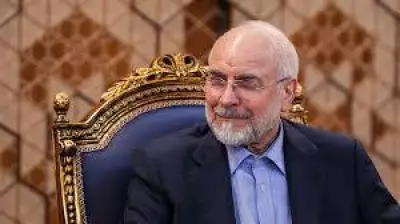
In a decisive move, incoming Dutch Prime Minister Rob Jetten has categorically ruled out any negotiations with Russia regarding the ongoing war in Ukraine. The announcement came as he unveiled a comprehensive new government program on Friday, which includes unwavering support for Ukraine. Speaking to AFP after publishing his governing manifesto, the 38-year-old leader stated he would not engage in talks with Moscow, citing a lack of indications that Russia desires to end the conflict.
"As long as the aggression continues, we will continue our support for the Ukrainian people," Jetten emphasized, highlighting his administration's commitment to standing with Kyiv. The 79-page manifesto, titled "Getting to Work," was finalized after weeks of intense negotiations between Jetten and his two coalition partners. It promises no reduction in Dutch support for Ukraine, framing the conflict as a critical security issue for all of Europe.
Key Commitments in the New Government Program
The manifesto outlines several key pledges that underscore the Netherlands' firm stance on international affairs. Firstly, it reaffirms multi-year financial and military assistance to Ukraine, ensuring that Dutch backing remains robust and consistent. Additionally, the document advocates for the utilization of frozen Russian assets to support Ukraine's defense efforts, a move aimed at holding Russia accountable for its actions.

Another significant commitment is the plan to anchor in law the NATO defense spending minimum of 3.5 percent of economic output, a target pushed by former U.S. President Donald Trump. This measure is designed to strengthen the Netherlands' military capabilities and align with broader NATO objectives, reinforcing the country's role in European security.
Call for European Independence Amid U.S. Relations
When questioned about relations with the United States, particularly following recent tensions over Greenland, Jetten expressed concern over Europe's reliance on American leadership. He called for a stronger debate on European self-sufficiency, stating, "I'm a little bit worried that people in Europe are mainly complaining about what's happening in the US. We should be having a much stronger debate about what can Europe do for itself." This stance reflects a growing push for greater European autonomy in defense and foreign policy matters.
Political Background and Coalition Dynamics
Rob Jetten, from the centrist D66 party, is set to form a new cabinet with the aim of being sworn in by mid-February. If successful, he will become the youngest leader of the European Union's fifth-largest economy and the first openly gay prime minister in Dutch history. His rise to power follows a stunning election victory in October, where he narrowly defeated the far-right Freedom Party led by Geert Wilders, a firebrand anti-Islam politician.
The fragmented nature of the Dutch political system often leads to lengthy coalition negotiations after elections. Jetten managed to secure a deal with two centre-right parties, but his government will not hold a majority in parliament. Consequently, the administration will need to seek support from other parties to pass legislation, adding a layer of complexity to governance.
Overall, Jetten's new government program signals a firm and proactive approach to international relations, with a clear focus on supporting Ukraine and enhancing European independence. As he prepares to take office, these policies are poised to shape the Netherlands' role on the global stage in the coming years.