Davos 2025: A Forum of Firsts and Unprecedented Absences
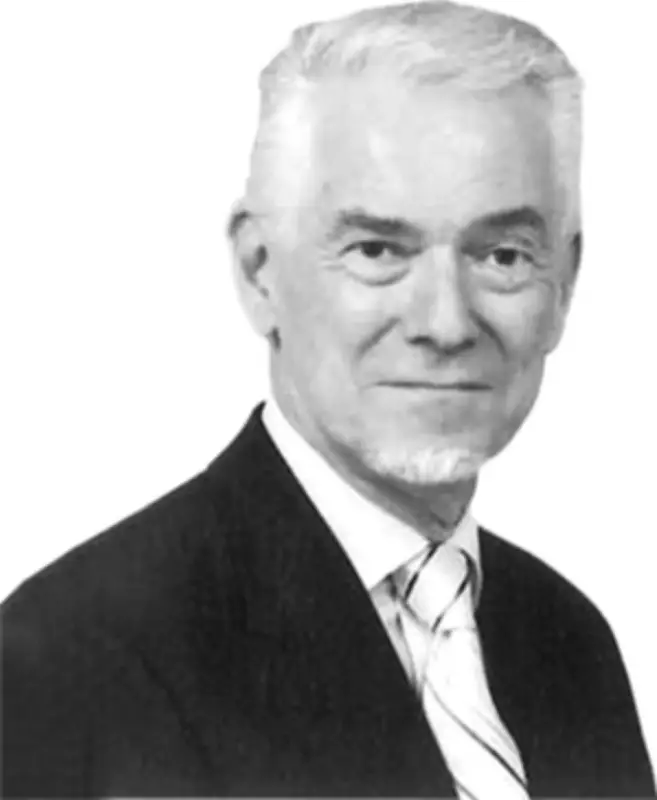
The annual gathering of global elites at the World Economic Forum (WEF) in Davos, Switzerland, this year presented a markedly different landscape compared to previous editions. For the first time in the event's 56-year history, the founder, Professor Klaus Schwab, aged 87, and his wife, Hilde Schwab, 79, were notably absent from the proceedings. This absence follows Professor Schwab's decision to step down as chairman in April of the previous year, a move that has reshaped the leadership dynamics of the forum.
While the Schwabs were physically missing, their influence remains palpable. Hilde Schwab is believed to continue overseeing the arts and culture initiatives, along with the Schwab Foundation for Social Entrepreneurship, which she co-founded and still chairs. Meanwhile, Professor Schwab likely monitors the forum's activities through modern technology, possibly while engaging in scholarly pursuits such as writing books and articles.
The Evolution and Essence of the World Economic Forum
Established in 1971 as the European Management Forum and rebranded in 1987 as the World Economic Forum, this organization has consistently aimed to bridge divides among world leaders in politics, business, civil society, and media. The core belief driving the WEF is that fostering dialogue and understanding among diverse groups can pave the way for a more equitable and prosperous global community.

The picturesque setting of Davos, nestled in the Swiss Alps, offers a serene escape from the daily grind, providing a unique backdrop for a week of intensive discussions. However, with approximately three thousand participants, the event is far from a leisurely retreat, demanding rigorous engagement from all attendees.
This year's theme, 'A Spirit of Dialogue', resonated with an optimistic tone, reflecting the urgent need for constructive conversations in today's complex geopolitical climate.
Trump's Dominance and the Greenland Controversy
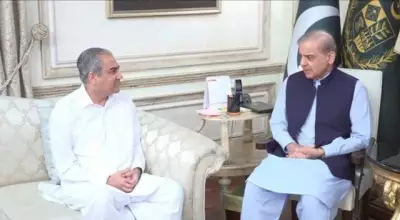
The 2025 WEF meeting diverged further from tradition with the inclusion of former U.S. President Donald Trump as a keynote speaker. His presence, alongside other dignitaries such as Pakistan's Prime Minister Shehbaz Sharif, shifted the forum's focus dramatically. Trump's arrival on the third day captivated the audience, as he delivered a lengthy, 90-minute address characterized by succinct yet often perplexing statements.
Trump's speech centered on Greenland, sparking widespread debate. He explicitly denied any intentions to use force to acquire the territory from Denmark or to impose tariffs on European nations supporting Denmark. While this clarified that annexing Greenland was not an immediate plan, it raised questions about his underlying motivations, potentially tied to personal legacy-building.
His remarks on Greenland's strategic importance for Western security, particularly in the Arctic region near Russia, introduced a layer of geopolitical reasoning. However, experts argue that enhanced security measures in the area do not necessitate a change in Greenland's colonial status, which has been under Danish rule for centuries.
Carney's Call for a New World Order
Amidst the Trump-centric discussions, Canadian Prime Minister Mark Carney emerged as a voice of opposition, advocating for a reevaluation of global power structures. He received a standing ovation for his proposal that middle-power nations unite to challenge U.S. dominance and promote a value-based international order.
Carney's vision extends beyond mere criticism, urging a democratization of the post-World War II framework, including reforms within the United Nations. While his call is commendable, it notably overlooks the inclusion of Third World countries, highlighting a gap in the discourse.
China's role as a challenger to U.S. leadership in finance, trade, and technology was acknowledged, yet its suitability as a political or long-term economic model remains contentious. Carney's initiative, if it sparks genuine dialogue on a New International Economic Order (NIEO), could represent a significant step toward global equity, though outcomes depend on broad-based participation.

Reflections on Colonial Legacies and Future Dialogues
The forum also touched on the legacy of post-colonial development aid, which has often failed to elevate poorer nations to equal partnership status. Carney's push for debate on the future world order offers hope, but it must be preceded by clear goals and inclusive discussions involving individuals and organizations worldwide.
The WEF deserves credit for facilitating this crucial conversation, a testament to the enduring contributions of Professor Klaus Schwab, Hilde Schwab, and current president Børge Brende. The 2026 theme, 'A Spirit of Dialogue', underscores the forum's commitment to fostering understanding in an increasingly fragmented world.