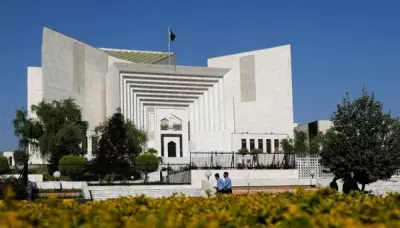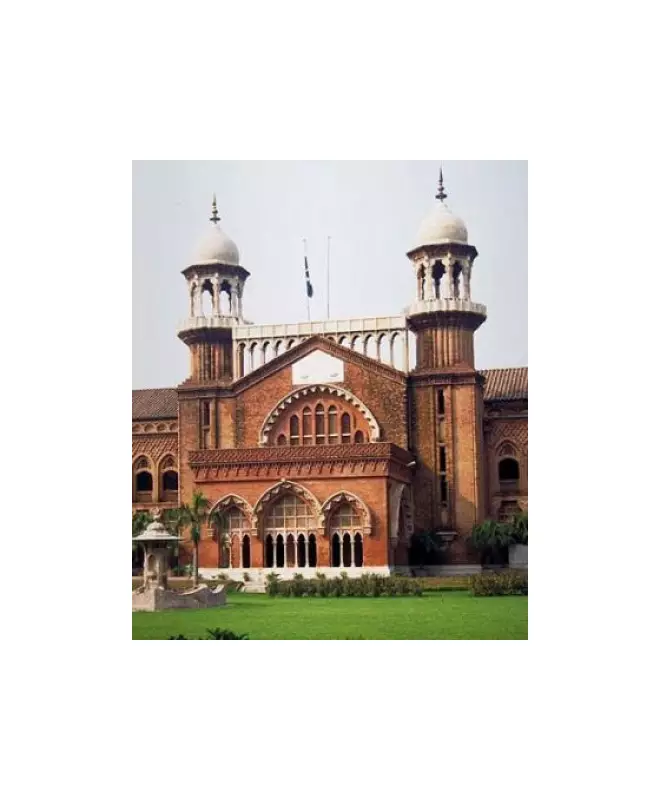
The Lahore High Court has taken a significant step in addressing constitutional challenges by forming a special three-member bench to hear petitions against the controversial 27th Constitutional Amendment.
Bench Composition and Leadership
Chief Justice Aalia Neelum of the Lahore High Court has established the specialized bench, appointing Justice Sadaqat Ali Khan as its presiding officer. The bench includes two other distinguished jurists: Justice Jawad Hassan and Justice Sultan Tanvir as members.
This judicial panel represents some of the most experienced judges at the Lahore High Court, bringing substantial constitutional expertise to the proceedings. The formation of this dedicated bench underscores the importance and complexity of the constitutional questions raised in the petitions.

Legal Challenges and Respondents
The petitions have named significant constitutional figures as respondents in this landmark case. The Prime Minister of Pakistan and the Speaker of the National Assembly have been made parties to the case through their respective secretaries.
This legal strategy indicates that the petitioners are challenging the amendment at the highest levels of government, seeking to hold the executive and legislative branches accountable for the constitutional changes.
Core Constitutional Concerns
At the heart of these legal challenges lies a fundamental concern about the amendment's impact on judicial authority. The petitioners argue that the 27th Constitutional Amendment effectively strips the Supreme Court of its original jurisdiction, transforming the country's highest court into what they describe as a Federal Constitutional Court.
This change, according to the legal challenges, represents a significant alteration to the balance of power within Pakistan's judicial system. The original jurisdiction of the Supreme Court has long been considered a cornerstone of the judicial framework, allowing the court to hear certain types of cases directly without them first proceeding through lower courts.
The upcoming hearings before this three-judge bench are expected to address critical questions about the separation of powers and the fundamental structure of Pakistan's constitutional framework.