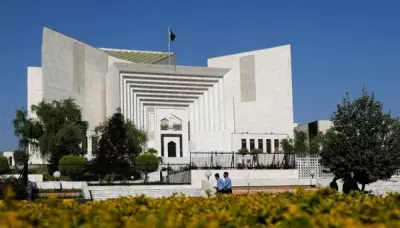
Pakistan's vibrant civil society has launched vehement protests against a proposed constitutional amendment that seeks to dramatically alter the composition of parliament. The controversial legislation, officially known as the Constitution (Amendment) Bill, 2024, has sparked nationwide concern among human rights defenders and democracy advocates.
What the Amendment Proposes
The contentious bill aims to increase the number of reserved seats for technocrats and overseas Pakistanis in both the National Assembly and Senate. This proposed constitutional change would significantly reshape parliamentary representation by adding specialized constituencies beyond the existing framework of general and minority seats.
The legislation was formally introduced in the National Assembly on January 3, 2024, triggering immediate backlash from multiple sectors of civil society. Human rights organizations argue that the timing and substance of the amendment raise serious questions about parliamentary transparency and democratic principles.

Civil Society's Strong Opposition
Leading human rights organizations including the Human Rights Commission of Pakistan (HRCP) and the Pakistan Institute of Labour Education and Research (PILER) have jointly condemned the proposed amendment. In a strongly worded statement released on January 5, 2024, these groups expressed deep concern about the potential consequences for Pakistan's democratic process.
The coalition of civil society organizations has highlighted several critical issues with the proposed changes. They argue that increasing reserved seats could undermine the principle of direct representation and potentially dilute the voting power of ordinary citizens. The groups have particularly emphasized the need for broader public consultation before any such fundamental constitutional changes are implemented.
Transparency and inclusive dialogue have emerged as central demands from the protesting organizations. They insist that any constitutional amendment affecting parliamentary composition must undergo thorough public scrutiny and involve all stakeholders, including political parties, legal experts, and civil society representatives.
Broader Implications for Pakistani Democracy
The controversy surrounding this constitutional amendment comes at a sensitive time in Pakistan's political landscape. With general elections approaching, the debate over parliamentary representation has taken on added significance. Civil society groups warn that rushing through such substantial changes without adequate discussion could set dangerous precedents for future constitutional amendments.
The protesting organizations have called for immediate parliamentary hearings and public sessions to discuss the proposed amendment's potential impact. They stress that constitutional changes should strengthen rather than weaken democratic institutions and processes.
Legal experts participating in the protests have raised questions about the amendment's compatibility with the basic structure of Pakistan's Constitution. Some constitutional scholars have suggested that the proposed changes might require more extensive deliberation than currently planned.
As the debate intensifies, civil society groups have pledged to continue their advocacy for transparent and inclusive constitutional processes. They have urged lawmakers to prioritize public interest and democratic principles over political considerations in handling this significant legislative proposal.