In a significant parliamentary development, a joint committee of Pakistan's legislature has formally presented its comprehensive report on the proposed 27th Constitutional Amendment, despite facing a complete boycott from opposition parties. The historic presentation occurred on November 10, 2025, marking a pivotal moment in the country's constitutional history.
Committee Proceedings and Opposition Stand
The joint parliamentary committee, comprising members from both houses of Parliament, completed its extensive deliberations on the constitutional amendment despite notable absence of opposition representation. The opposition parties maintained their complete boycott of the committee proceedings, protesting what they described as insufficient consultation and transparency in the amendment process.
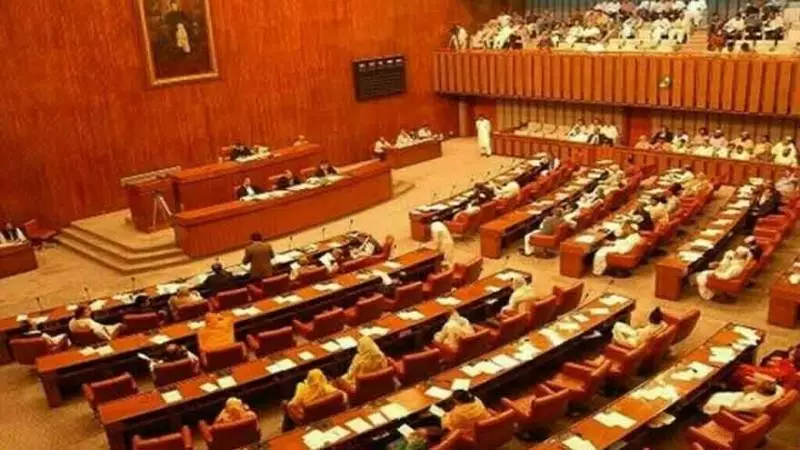
Committee Chairman Senator Muhammad Talha Mahmood, while presenting the report to the Senate, emphasized that the panel had worked diligently to address critical constitutional matters. "We have thoroughly examined all aspects of the proposed amendment and believe it represents a significant step forward for our democratic institutions," Mahmood stated during the session.

Key Provisions of the Amendment
The proposed 27th Constitutional Amendment contains several crucial provisions aimed at strengthening Pakistan's governance framework. Among the most significant changes are reforms to the electoral process, enhancements to provincial autonomy, and modifications to the judicial appointment system.
The amendment also addresses long-standing demands for improved representation of marginalized communities and proposes measures to ensure more transparent functioning of constitutional bodies. The committee's report includes detailed explanations of each proposed change, along with the rationale behind them.
Political Reactions and Future Implications
The opposition's boycott has created a contentious political environment surrounding the constitutional amendment process. Major opposition parties, including Pakistan Tehreek-e-Insaf and Pakistan Peoples Party, have criticized the government's approach, alleging that the amendment process lacks bipartisan consensus.
Despite the political divisions, government representatives have defended the committee's work, arguing that the constitutional reforms are essential for addressing contemporary governance challenges. The report now moves to the next parliamentary stage, where it will be debated and potentially put to vote in both houses.
Political analysts suggest that the success or failure of this constitutional amendment could have far-reaching implications for Pakistan's democratic stability and institutional development. The coming parliamentary sessions are expected to witness intense debate as lawmakers consider this landmark constitutional proposal.