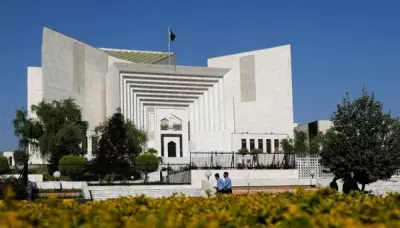
The essence of democracy extends far beyond the mere act of casting a vote. True democracy is built upon the solid pillars of accountability, robust institutions, the supremacy of law, and the unwavering protection of citizens' rights. In Pakistan, however, this ideal often remains elusive, with democratic exercises sometimes reduced to a ceremonial performance rather than a substantive practice of governance.
The Core Principles Under Threat
At the heart of any functioning democracy lies the sanctity of human rights. These are not optional privileges but fundamental obligations of the state. The freedoms of speech, equality before the law, and protection from arbitrary action form the bedrock upon which citizens place their trust. This trust is sustainable only when courts operate with complete independence and state institutions function without fear or favor. When these foundational pillars begin to crumble, democracy itself withers, and basic rights become bargaining chips in the game of political expediency.
A Historic and Dangerous Move: The 27th Amendment
Pakistan has recently embarked on a perilous constitutional path with the passage of the 27th Constitutional Amendment. This legislation introduces two profoundly controversial changes. Firstly, it establishes a Federal Constitutional Court positioned above the Supreme Court, granting it the power to override decisions from the nation's highest judicial body. Secondly, it provides perpetual legal immunity to the President and the Field Marshal or Chief Commander of the Armed Forces, effectively placing them beyond the reach of accountability.

These sweeping provisions represent a direct assault on the principle that no one is above the law. By subverting judicial independence and creating a class of untouchable officials, the amendment strikes at the very core of democratic governance and human rights protection. There is widespread speculation that the driving force behind these changes is not genuine reform but a political maneuver aimed at weakening a specific leader, Imran Khan. Regardless of the intent, using the Constitution to target individuals sets a dangerously bad precedent for any democracy.
Procedural Irony and Eroding Trust
Adding to the concerns is a glaring procedural anomaly. The 26th Amendment, which deals with the method of appointing the Chief Justice, remains pending before the Supreme Court for review. Yet, the more expansive and consequential 27th Amendment was rushed through Parliament. This haste in enacting a blanket constitutional change while a related amendment is sub judice raises serious questions about the government's intent and its respect for due process and the rule of law.
Pakistan at a Crossroads
The nation now faces a critical juncture. A subservient judiciary, an executive shielded by impunity, and human rights that are conditional are fundamentally incompatible with a living democracy. The 27th Amendment does more than alter the judicial framework; it poses a clear and present danger to governance, public accountability, and the rights of every Pakistani citizen.
The choice before the nation is stark: to rally in defense of the Constitution, the principles of democracy, and the inviolability of human rights, or to allow short-term political gains to dismantle the country's democratic future. The people of Pakistan and the institutions sworn to protect them cannot afford to remain silent observers. The time for vigilance and action is now.
SAOOD ALI KHAN, Bahawalpur.