Pakistan has witnessed a dramatic and encouraging reduction in polio cases this year, a success health officials directly link to stringent new measures regulating movement across the border with Afghanistan. The coordinated effort to ensure all children are vaccinated before crossing has become a cornerstone of the nation's fight to eliminate the crippling virus.
Border Control Measures Yield Immediate Results
According to the latest data from Pakistan's National Emergency Operations Centre (NEOC), the country has reported only two cases of wild poliovirus in 2024. This marks a staggering 72% decrease compared to the same period last year, which saw seven cases. The pivotal change, as outlined by NEOC Coordinator Dr. Shahzad Baig, has been the implementation of a rigorous "zero-dose" policy at all major border crossings with Afghanistan.
Under this policy, which was fully enforced starting in the latter part of 2023, no child is allowed to cross the border without first receiving a dose of the oral polio vaccine. This systematic approach ensures that the constant population movement between the two endemic countries does not undermine vaccination efforts. "We have established permanent vaccination points at the borders," Dr. Baig explained, highlighting the operational shift that has closed a critical gap in the immunization net.

Sustained Efforts and Remaining Challenges
The progress, while significant, is part of a longer, hard-fought campaign. In the previous year, 2023, Pakistan recorded a total of six polio cases. The current year's tally of two so far suggests the strategies are gaining powerful traction. Health authorities are not declaring victory yet, but the data provides robust validation of the border strategy.
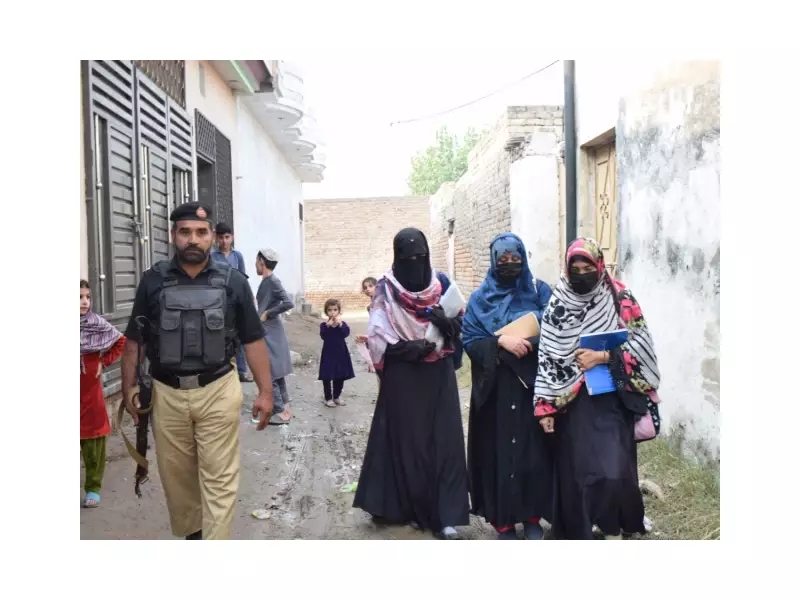
This success stems from a multi-faceted effort. Beyond border controls, Pakistan has intensified its domestic vaccination drives, targeting millions of children in high-risk districts across the country. The program involves thousands of dedicated frontline health workers who go door-to-door, often in challenging conditions, to administer the crucial drops. The synergy between internal vaccination campaigns and external border checks has created a more formidable defense against the virus's transmission.
The Path to a Polio-Free Future
The sharp decline in cases is a monumental boost for Pakistan's goal of interrupting wild poliovirus transmission. It demonstrates that with coordinated policy, international cooperation, and relentless community engagement, the virus can be cornered. The focus now remains on maintaining this momentum, ensuring not a single child is missed in core reservoir areas.
"The decline is a positive indicator, but our work is far from over," cautioned a health official involved in the program. The next phase involves deepening surveillance, rapidly responding to any environmental samples that test positive, and continuing to build community trust in vaccines. The ultimate aim is to follow in the footsteps of neighboring India and the entire WHO African region, which have been certified polio-free, proving that eradication is an achievable target.
For Pakistan, a nation long burdened by this disease, the 72% drop is more than a statistic; it is a beacon of hope. It shows that the persistent, often thankless work of its health workers and the decisive action of its policymakers can yield life-changing results for the next generation.