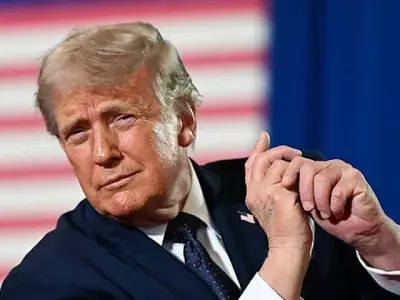
Former United States President Donald Trump has ignited a fresh controversy in the realm of nutrition and dietary policy. In a recent public appearance, Trump made strong statements endorsing the consumption of red meat while simultaneously launching a critique against sugar.
Trump's Dietary Declaration: A Focus on Protein
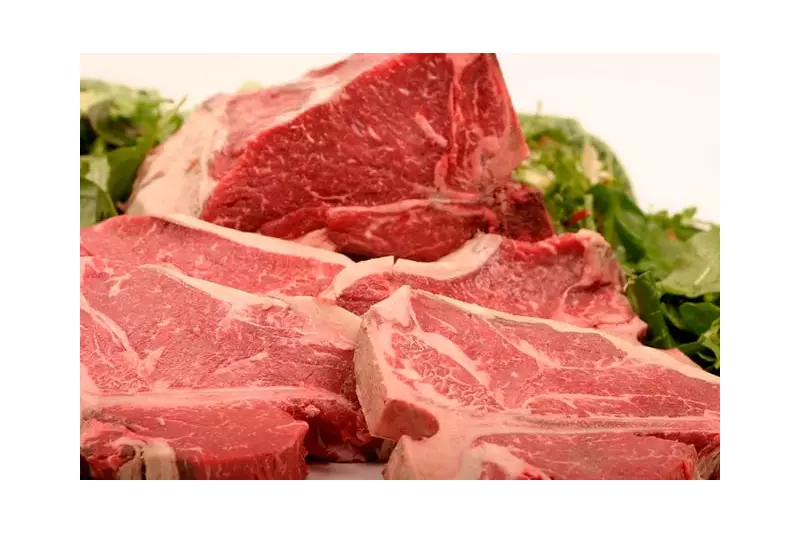
Speaking to supporters, the former president and current presidential candidate did not mince words. Donald Trump explicitly stated his belief that people should eat more red meat. He framed this not just as a personal preference but as a stance against what he perceives as misguided dietary advice from certain sectors. His comments positioned red meat as a vital source of strength and sustenance, aligning with a traditional view of protein's role in the diet.
This endorsement comes at a time when global dietary guidelines often recommend moderation in red meat consumption due to concerns about heart health and saturated fats. Trump's position directly challenges these prevailing public health narratives, potentially influencing his substantial base of followers.

The Sweet Target: Trump's Critique of Sugar
In contrast to his support for meat, Trump took aim at sugar. He expressed a critical view of sugar consumption, suggesting it is more detrimental than often acknowledged. While not delving into exhaustive scientific detail, his remarks implied a hierarchy of dietary concerns where sugar is a primary villain.
This part of his commentary taps into an existing and growing body of public health research linking excessive sugar intake to obesity, diabetes, and other metabolic disorders. However, Trump's framing places the critique within a broader narrative of rejecting elite or established guidance, a common theme in his political rhetoric.
Broader Implications and Reactions
The immediate reaction has been polarized, as is often the case with Trump's pronouncements. Nutrition experts and public health officials have been quick to respond, with many reiterating the importance of balanced, evidence-based diets that consider both the risks of processed meats and excessive sugar. They emphasize moderation and the quality of food sources.
Agriculturally, the statement has significant weight. The United States is a major producer and exporter of both beef and sugar. An endorsement from a figure of Trump's stature can influence market perceptions and consumer behavior. For nations like Pakistan, which engages in trade of agricultural commodities, shifts in US consumer trends or policy discussions can have indirect economic repercussions.
Politically, the dietary comments are seen as part of Trump's "culture war" strategy. By championing red meat—a symbol of traditional, hearty American meals—and attacking sugar, he aligns himself with certain agricultural interests and positions himself against regulatory bodies and health advisories he often labels as overreaching.
The key takeaway is that Trump has successfully placed everyday dietary choices into the political arena once again. His statements are less a detailed nutritional guide and more a powerful signal to his supporters about what he values and what he scorns, with potential ripple effects for public discourse, industry, and even international trade discussions related to food commodities.