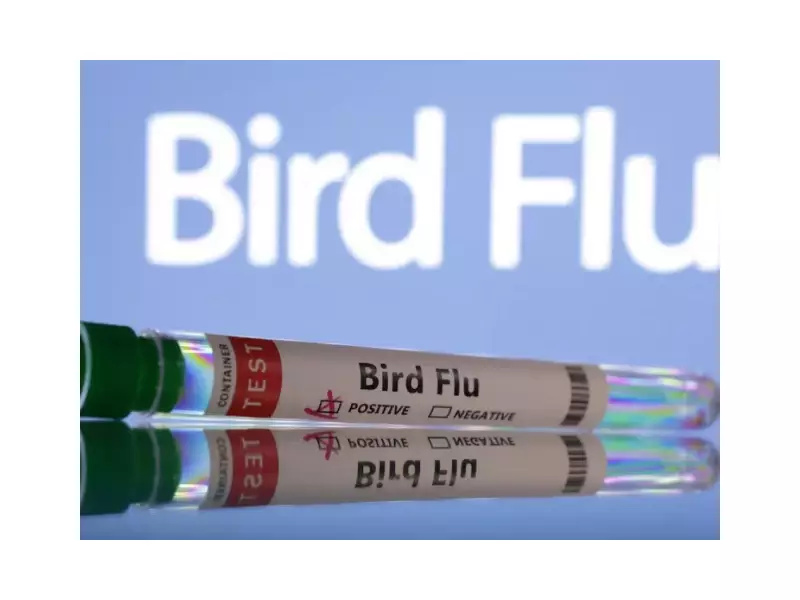
Health authorities have confirmed the first human death from the H5N5 strain of bird flu in Washington state, marking a significant development in the ongoing monitoring of avian influenza viruses.
Details of the Confirmed Case
The patient, described as a resident of Washington state, succumbed to the H5N5 avian influenza virus after developing severe symptoms. The case represents the first confirmed human infection with this particular strain in the region, raising concerns among public health officials about the evolving nature of bird flu viruses.
Health authorities have been closely monitoring the situation and have implemented standard protocols for investigating such cases. The confirmation came through laboratory testing that identified the specific H5N5 strain, which is distinct from other avian influenza variants that have previously affected humans.

Public Health Response and Monitoring
Following the confirmation, public health officials have intensified their surveillance efforts to track any potential spread of the virus. Close contacts of the deceased individual are being monitored for any signs of illness, though no secondary cases have been reported thus far.
The response team has emphasized that while this case is concerning, the risk to the general public remains relatively low. Standard precautions for preventing avian influenza transmission are being reinforced, particularly among individuals who have regular contact with birds or poultry.
Understanding H5N5 Bird Flu Risks
H5N5 represents one of several strains of avian influenza that can occasionally infect humans. Like other bird flu viruses, H5N5 primarily circulates among wild birds but can sometimes spread to domestic poultry and, in rare instances, to humans who have close contact with infected birds.
Health experts note that human infections with avian influenza viruses remain uncommon and typically require direct exposure to infected birds or contaminated environments. The confirmation of this fatal case, however, underscores the importance of continued vigilance and research into these viruses.
Public health authorities continue to work with agricultural departments to monitor bird populations and implement control measures where necessary. They recommend that people avoid contact with sick or dead birds and practice good hygiene when handling poultry products.