In a major push to overhaul Punjab's public health system, Chief Minister Maryam Nawaz Sharif has issued a series of directives aimed at ensuring an uninterrupted supply of essential medicines and improving hospital accountability.
Overhauling Medicine Supply and Hospital Modernization
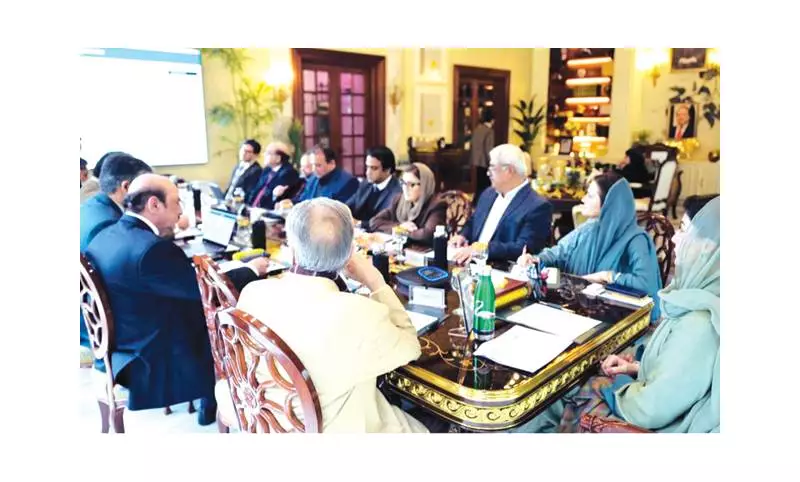
Presiding over a high-level meeting on health sector projects, the Chief Minister expressed serious concern over persistent reports of medicine shortages. She noted that this is happening despite the provincial government spending a substantial Rs80 billion annually on pharmaceuticals. Declaring any failure in medicine availability as unacceptable, she ordered the preparation of a revised medicines list for government hospitals.
A dedicated committee will finalize this updated list, aligning it with current patient needs and prevailing disease patterns. The meeting also reviewed proposals to modernize public hospitals, including the potential use of Chinese-manufactured medical equipment to upgrade facilities. CM Maryam stressed that the adoption of modern technology must lead to tangible improvements in patient care.

Stringent Measures for Accountability and Hygiene
Taking serious notice of public complaints, the CM approved, in principle, a significant step: the installation of body cameras for security guards, ward boys, nurses, and pharmacy staff. This move is designed to enhance accountability and curb misconduct within hospital premises.
To uphold strict hygiene standards, she directed all hospital administrations to ensure comprehensive daily steam cleaning of wards and premises by 9:00 am. In a bid to refocus attention on patients, the Chief Minister ordered a ban on the use of mobile phones by doctors and nurses during their duty hours, emphasizing that patient treatment must be the foremost priority.
Structural Reforms and Performance Monitoring
The meeting approved the creation of a Medical Superintendent (MS) pool to strengthen hospital management, with future salary increments being directly linked to performance indicators. Furthermore, community health inspectors have been assigned the task of conducting regular hospital surveys to monitor service delivery and identify gaps.
For data-driven governance, CM Maryam directed the establishment of a data analysis centre. This centre will assess the impact and effectiveness of public welfare initiatives in the health sector, enabling evidence-based policy decisions.
During the briefing, officials informed that more than 2,500 doctors have been recruited across Punjab in the past two years. They also shared progress on medicine delivery programs, revealing that 585,000 patients are registered for home delivery of cardiac medicines, while doorstep delivery has been completed for 6,000 patients suffering from hepatitis and tuberculosis.
Reiterating her government's commitment, CM Maryam Nawaz Sharif warned that inefficiency, negligence, and complacency in public hospitals would invite strict action. She stated that the wastage of public funds and citizens' time would no longer be tolerated, affirming that improving healthcare services remains a top priority for the Punjab government.