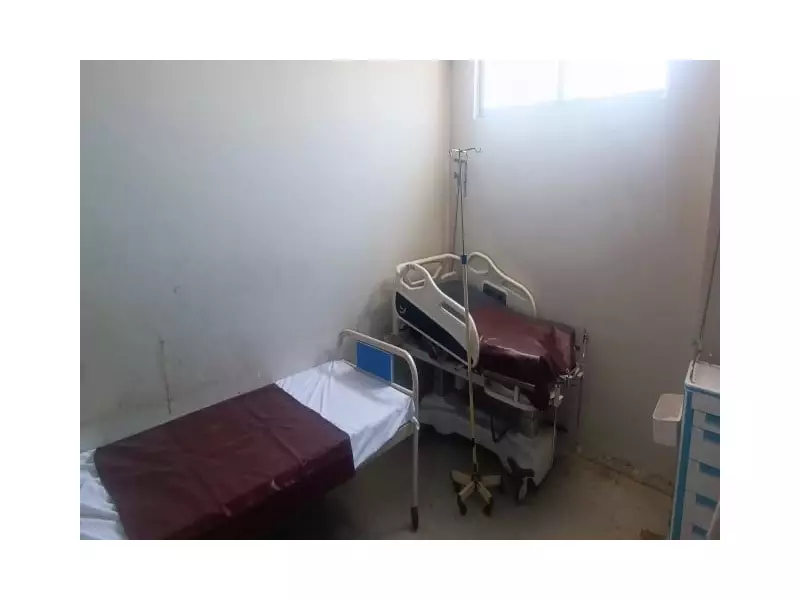
The District Headquarters (DHQ) Hospital in Miranshah, the main administrative center of North Waziristan, is grappling with a profound crisis of official neglect, leaving patients to suffer without access to basic medical care and facilities. The hospital, which serves as a critical healthcare lifeline for the region's population, is reportedly operating in a state of disrepair, lacking essential medicines, functional equipment, and adequate staff.
A Hospital in Name Only: The State of Facilities
Visitors and patients at the Miranshah DHQ Hospital are met with a distressing scene. The facility is severely under-equipped, with reports indicating a near-complete absence of basic diagnostic tools and life-saving medical apparatus. Patients are forced to seek even the most fundamental tests, such as ultrasounds and CT scans, from private clinics in the city at their own expense, a cost that is prohibitive for many in this region.
Perhaps most alarmingly, the hospital's pharmacy shelves are virtually empty. There is a critical shortage of essential medicines, compelling attendants to purchase prescribed drugs from outside medical stores. This not only imposes a significant financial burden on families but also raises serious concerns about the availability and quality of medications being administered.

Staff Shortages and Administrative Apathy
The crisis extends beyond infrastructure and supplies to a severe human resource deficit. The hospital is operating with a skeleton crew, facing acute shortages of doctors, specialists, and paramedical staff. Key departments are either non-functional or barely managing due to this lack of personnel. This staff shortage directly translates into compromised patient care, longer wait times, and an inability to handle medical emergencies effectively.
Despite the glaring and well-known nature of these issues, there appears to be a palpable sense of administrative inertia. Local health authorities and relevant government departments have been repeatedly alerted to the hospital's deplorable condition, yet tangible action to address the systemic failures remains elusive. The inaction suggests a troubling level of apathy towards the healthcare needs of the people of North Waziristan.
The Human Cost of Systemic Failure
The ultimate price of this neglect is paid by the patients and their families. Individuals requiring urgent and specialized medical attention have no choice but to undertake arduous and expensive journeys to hospitals in larger cities like Bannu or Peshawar. For many, this is not a viable option, forcing them to endure inadequate treatment or forego care altogether.
The situation at the Miranshah DHQ Hospital is not merely an administrative failure; it represents a breach of the fundamental right to health. The citizens of North Waziristan, a region that has endured significant challenges, are being denied access to dignified and functional public healthcare. The hospital's current state undermines public trust in the government's ability to provide basic services and perpetuates a cycle of hardship for vulnerable communities.
Local residents and community leaders have issued urgent appeals to the Khyber Pakhtunkhwa government and the provincial health department. They demand immediate intervention to overhaul the hospital's infrastructure, ensure a consistent and free supply of medicines, recruit necessary medical staff, and make all essential diagnostic services available within the facility. Until concrete steps are taken, the DHQ Hospital in Miranshah will remain a symbol of neglect rather than a beacon of care and healing.