Government Launches Intensive Drive for Domestic Vaccine Manufacturing by 2030
In a significant announcement, Minister for National Health Services Mustafa Kamal has declared that the Pakistani government is operating on a war footing to establish local production of vaccines before the year 2030. This ambitious initiative aims to drastically reduce the nation's reliance on imported vaccines and bolster public health security.
Current Import Dependency and Cost Structure
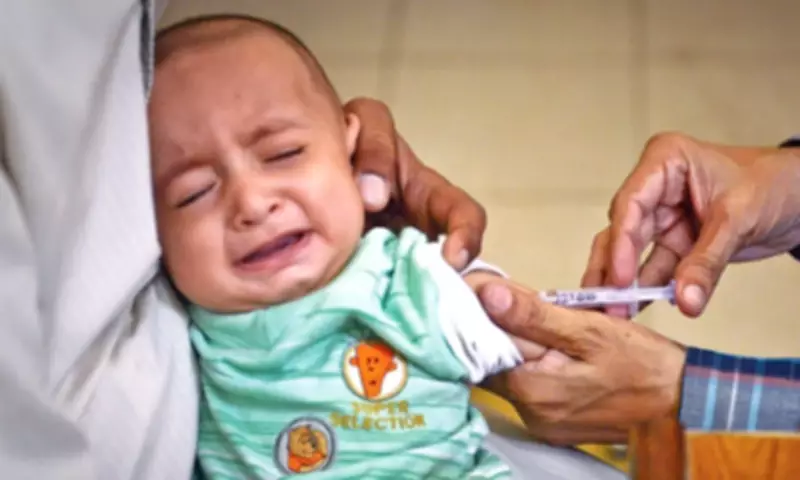
Addressing a public event in Islamabad, Minister Kamal revealed a critical statistic: all thirteen vaccines currently administered to children in Pakistan are imported from international sources. He detailed the financial burden, noting that the government shoulders 51 percent of the total cost, while donors cover the remaining 49 percent. This heavy dependence on external suppliers not only strains the national budget but also poses risks to vaccine availability during global shortages or logistical disruptions.
Strategic International Collaborations Underway
To achieve self-sufficiency, Pakistan is actively exploring collaborative ventures with key global partners. Minister Kamal specifically mentioned Saudi Arabia, Indonesia, and China as potential allies in this endeavor. The government is pursuing both government-to-government agreements and business-to-business partnerships to facilitate technology transfer, knowledge sharing, and investment in local pharmaceutical infrastructure.

Potential for Raw Material Production and Export
Beyond merely assembling finished vaccines, Minister Kamal expressed confidence in Pakistan's capability to locally produce the raw materials required for vaccine manufacturing. He emphasized that tapping into this potential could transform Pakistan from a net importer into a regional exporter of vaccines, generating foreign exchange and enhancing the country's standing in the global health sector.
The minister underscored that this strategic shift is not just about economic savings but is crucial for ensuring a stable and secure vaccine supply chain, ultimately protecting the health of future generations.