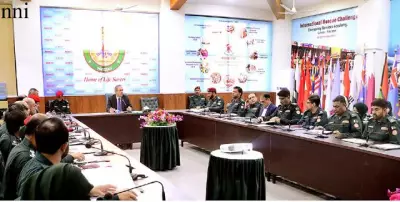
In a proactive move to fortify its safety mechanisms, Bahauddin Zakariya University (BZU) in Multan successfully organized a comprehensive mock emergency exercise. The drill, held on Monday, was designed to rigorously test the institution's readiness and response strategies in the face of potential disasters.
Simulating Real-World Crisis Scenarios
The exercise was not a mere formality but a detailed simulation of a realistic emergency situation. University authorities, in collaboration with relevant departments, crafted a scenario that mimicked a sudden crisis, compelling the activation of the university's established emergency protocols. The primary objective was to create a high-pressure environment where the theoretical plans could be put into practical, actionable steps.
Key personnel from various university departments participated actively, assuming their designated roles as outlined in the disaster management plan. The simulation covered critical aspects of emergency response, including immediate evacuation procedures, establishment of safe assembly points, and the coordination of first-aid and initial relief efforts. The exercise took place across multiple university premises, ensuring a wide-ranging assessment of preparedness.

Identifying Strengths and Areas for Improvement
While the drill demonstrated the university's commitment to safety, its core value lay in its evaluative nature. Observers and facilitators closely monitored every phase of the response. They tracked communication flow, the speed of mobilization, the effectiveness of evacuation routes, and the overall command and control structure during the simulated crisis.
This hands-on test provided invaluable, real-time data on the functionality of the emergency plans. It helped identify procedural bottlenecks, communication gaps, and areas where staff training could be enhanced. The insights gained are crucial for refining the existing disaster management framework, making it more robust and efficient. The university administration emphasized that such exercises are essential for moving from paper-based plans to a state of practiced readiness.
Building a Culture of Safety and Preparedness
The mock drill at BZU transcends a single event; it represents a strategic step towards ingraining a culture of safety within the campus community. By involving staff and simulating a controlled crisis, the exercise raises awareness and ensures that individuals know their specific responsibilities during an actual emergency.
University officials stated that the lessons learned will be meticulously analyzed. A detailed report will be compiled, leading to targeted actions such as updated training modules, refinement of evacuation signage, and improved resource allocation. Regular mock exercises are now planned as a staple of the university's safety calendar, ensuring that preparedness remains a dynamic and continually improving process. This initiative underscores BZU's commitment to providing a secure environment for its students, faculty, and staff, setting a commendable example for other educational institutions in the region.