In a significant move to combat medical quackery across Pakistan, the Joint Healthcare Regulators Forum (JHCRF) has formally requested the Higher Education Commission (HEC) to immediately shut down degree programs that mimic the MBBS qualification.
Nationwide Crackdown on Fake Medical Degrees
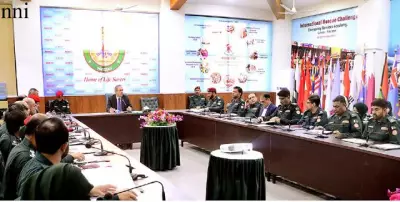
The urgent appeal came during the 3rd JHCRF meeting organized by the Sindh Healthcare Commission (SHCC) with support from the Ministry of National Health Services, Regulations and Coordination and the World Health Organization (WHO). The forum emphasized that HEC must intervene to rename or eliminate degree programs that enable individuals to impersonate medical graduates, a practice identified as a major contributor to quackery in healthcare.
The high-profile gathering saw participation from key healthcare stakeholders across Pakistan, including MPA Nida Khuhro, Parliamentary Secretary for Health & Population Welfare Department, Sindh, who served as chief guest. The meeting also welcomed WHO Country Representative Dr. Luo Dapeng, Federal Secretary MNHSR&C Hamed Yaqoob Sheikh, and CEOs of all provincial Healthcare Commissions.

Sindh's Digital Health Transformation
MPA Nida Khuhro highlighted Sindh's progressive healthcare reforms, noting that the province has developed a robust regulatory system through years of learning and legislation. With rapid technological advancements, Sindh now aims to establish a comprehensive digital health framework that will incorporate telemedicine, e-prescriptions, and online pharmacies while maintaining uncompromised patient safety standards.
Khuhro commended SHCC for its aggressive approach in addressing gaps within the private healthcare sector. She announced that Sindh is establishing a Clinical Governance Academy to train healthcare staff in quality assurance, risk management, and evidence-based policy implementation.
The province is also expanding its regulatory system to ensure medicines and medical devices meet global standards, including minimum safety requirements, infection control protocols, and emergency governance. Additionally, Sindh is enforcing Continuing Professional Development (CPD) requirements for all healthcare professionals to align with international benchmarks.
National Healthcare Collaboration
Dr. Luo Dapeng, WHO Country Head for Pakistan, expressed pride in supporting this regulatory platform, emphasizing the shared commitment to strengthening regulatory coherence and accountability throughout Pakistan's health system. WHO continues to support both federal and provincial governments in enhancing the resilience of the country's healthcare infrastructure.
Federal Secretary Hamed Yaqoob Sheikh, participating via video link, revealed that the Ministry has introduced the National Blood Transfusion Policy and drafted the Thalassaemia Prevention and Genetic Disorders Policy. He urged all provincial healthcare regulators to implement these policies within their respective jurisdictions.
Dr. Ahson Qavi Siddiqi, CEO of SHCC, pointed out significant gaps in existing healthcare regulations, noting that healthcare has transformed dramatically over the past 78 years with emerging technologies and treatments not reflected in current documentation. He stressed that forums like JHCRF are essential to address these evolving challenges.
In his concluding remarks, Dr. Khalid Shaikh, Chairperson of SHCC, stated that the participation of healthcare officials from across Pakistan demonstrated both institutional commitment and a shared national vision. He emphasized that critical issues including patient safety, standard implementation, medical curriculum updates, and quackery eradication require collaborative efforts rather than isolated approaches.
The meeting featured prominent participants including CEO Balochistan Healthcare Commission Dr. Noor Muhammad Qazi, CEO Islamabad Health Regulatory Authority Dr. Syed Ahmed Raza Kazmi, CEO KP Dr. Nadeem Akhtar, and representatives from Pharmacy Council of Pakistan, Allied Health Professionals Council, CPSP, and Higher Education Commission.