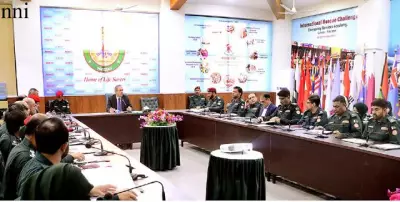
FAISALABAD - The Pakistani government is implementing robust and sustainable measures to combat the growing threat of hepatitis, diabetes, and other non-communicable diseases across the nation, announced State Minister for National Health Services Dr. Malik Mukhtar Ahmad Bharath.
Healthcare Challenges and Government Response
Addressing the 11th convocation of University Medical & Dental College at The University of Faisalabad on Saturday, Dr. Bharath highlighted the severe strain on Pakistan's healthcare system. With the population increasing at 2.5 percent annually, the burden continues to escalate, requiring both effective treatment and proactive prevention strategies.
The State Minister revealed alarming health statistics, noting that over 10 million people in Pakistan suffer from hepatitis C, while diabetes, high blood pressure, and other non-communicable diseases have reached critical levels that demand immediate attention.

Medical Education Reforms and Global Recognition
Dr. Bharath announced significant reforms in medical education, stating that the Pakistan Medical and Dental Council curriculum previously focused 99 percent on treatment. Future training will prioritize preventive healthcare, enabling doctors to actively reduce disease incidence and improve public health outcomes.
Congratulating the graduating doctors, the minister described their degrees as international "passports" that qualify Pakistani medical professionals to work globally. He cited examples of Pakistani doctors holding senior positions in the United States, United Kingdom, Australia, and Middle Eastern countries as evidence of the nation's high educational standards and quality medical training.
Call to Action for New Medical Professionals
The State Minister urged the new generation of doctors to contribute actively to disease prevention, public awareness, and health promotion alongside their clinical duties. He emphasized that the true test of a doctor begins now, as patients, society, and families place extraordinary expectations on their knowledge, conduct, and service.
Citing Islamic teachings, Dr. Bharath stressed that good character and compassion, following the example of the Holy Prophet (peace and blessings of Allah be upon him), form the ethical foundation of medical practice and are essential for quality patient care and societal service.
He also advised graduates to honor their parents' sacrifices and recognized faculty members for equipping students with the necessary skills, ethics, and dedication required for a noble career in medicine. The minister concluded by distributing degrees and medals among the successful graduates.