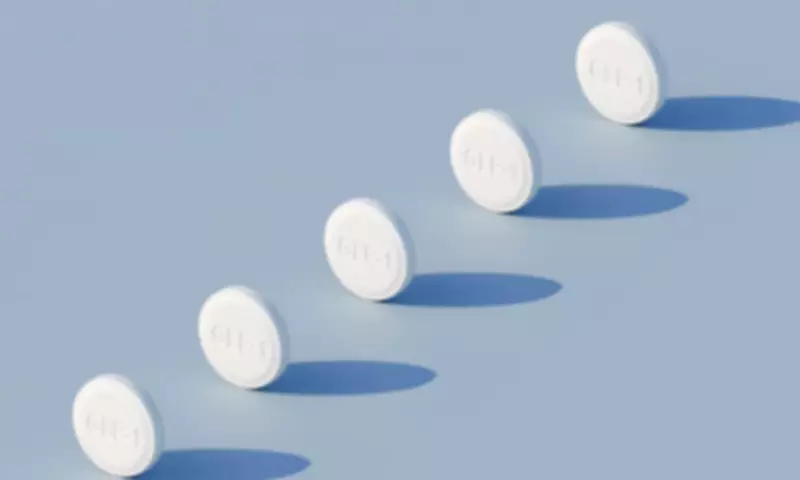
FDA Greenlights Eli Lilly's GLP-1 Oral Pill Foundayo, Ushering in New Era for Obesity Care
The semaglutide revolution has taken a monumental leap forward with the Food and Drug Administration's approval of Eli Lilly's GLP-1 oral pill for sale in the United States. This groundbreaking decision, announced on Wednesday, April 4th, 2026, authorizes the drug under the brand name Foundayo, representing a critical technological inflection point for a class of medications that is transforming obesity treatment globally.
From Needles to Pills: A Paradigm Shift in Weight Loss Therapy
The previous generation of GLP-1 treatments required injections, necessitating patients or their doctors to handle needles for administration. This barrier, combined with factors like high costs, safety concerns, and preference for alternative weight-loss methods, has likely limited uptake. While approximately 37 percent of Americans are obese, only about 12 percent had tried a GLP-1 drug as of last year, indicating a significant population that could benefit but has been hesitant.
Eli Lilly's new pill aims to bridge this gap by offering a more convenient, needle-free option. "This is an oral medication that we can just put in our Monday, Tuesday, Wednesday, Thursday tray and take it with our other oral medications without regard to food or most worries about drug interactions," Eli Lilly CEO Dave Ricks explained in a recent interview. "That's pretty different from a weekly injectable. There are a lot of people waiting for something like this—it's just a little easier to fit into their busy life."

Why Foundayo Stands Out in the GLP-1 Market
While Novo Nordisk's Wegovy weight-loss pill received approval in December, it is a peptide-based drug requiring specific administration guidelines, such as taking it immediately upon waking with water and waiting 30 minutes before eating. In contrast, Lilly's Foundayo is a small-molecule drug, similar in form to statins or blood-pressure medications, making it cheaper to manufacture and easier to use.
This innovation addresses supply chain challenges and could enhance patient adherence. "Given it is in a pill and not an injection, which reduces supply chain needs around plastics and cold storage, and that it does not have special instructions to take it, it is likely to become a popular choice for primary care physicians," noted Dr. Deborah Horn, director of obesity medicine at UTHealth Houston, who has consulted for Lilly.
The pill form may also help mitigate weight regain issues associated with stopping injectables, as daily pills can integrate more seamlessly into long-term medication routines. Ricks highlighted that patients who achieve their goal weight on injectables like Zepbound could switch to an oral form for maintenance, making treatment more sustainable.
Clinical Efficacy, Cost, and Future Implications
In clinical trials, patients using the Lilly pill lost an average of 12 percent of their body weight, comparable to Ozempic injections but slightly lower than newer drugs like Mounjaro and Zepbound. Thus, the pill's primary advantage lies in convenience rather than groundbreaking efficacy.
Cost and access remain significant hurdles. Lilly plans to price the pill at $149 for a month's supply of the lowest dose, with refills at $299 within 45 days. While lower than some injectable options, this may still be prohibitive for many. However, Lilly has secured a deal with Medicare for a $50 monthly copay, and insurance coverage is expanding, though it remains inconsistent for lower-income Americans.
Ricks expressed optimism that insurers will increasingly cover GLP-1 drugs as long-term benefits, such as reducing heart disease, become evident. "If the government says it's worth it after this two-year pilot, that's a pretty ringing endorsement for insurance," he stated.
Challenges and Considerations for Patients and Healthcare Systems
Like injectables, the pill can cause side effects like gastrointestinal distress and muscle loss, which may be managed with proper diet and exercise. However, the rise of virtual pharmacies prescribing GLP-1s without ongoing patient-doctor relationships raises concerns about inadequate supervision.

To maximize the benefits of GLP-1 drugs, the healthcare system must evolve to provide holistic support, especially as primary care access shrinks. Doctors and patients will need to consider factors such as weight loss goals, administration preferences, and comorbid conditions when choosing between injectables and pills.
Looking ahead, new GLP-1 iterations are in development, aiming to enhance efficacy or reduce side effects. Treatment could become highly personalized, with options tailored to individual health needs. As Dr. Horn suggested, patients with conditions like obstructive sleep apnea might prefer drugs like Zepbound for dual benefits.
The approval of Foundayo represents a pivotal moment in the fight against obesity, offering a more accessible tool to advance public health—if challenges in affordability, access, and patient support are effectively addressed.