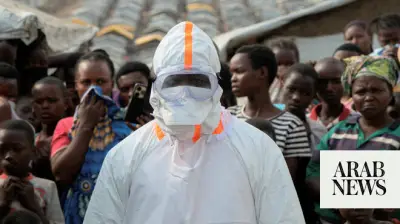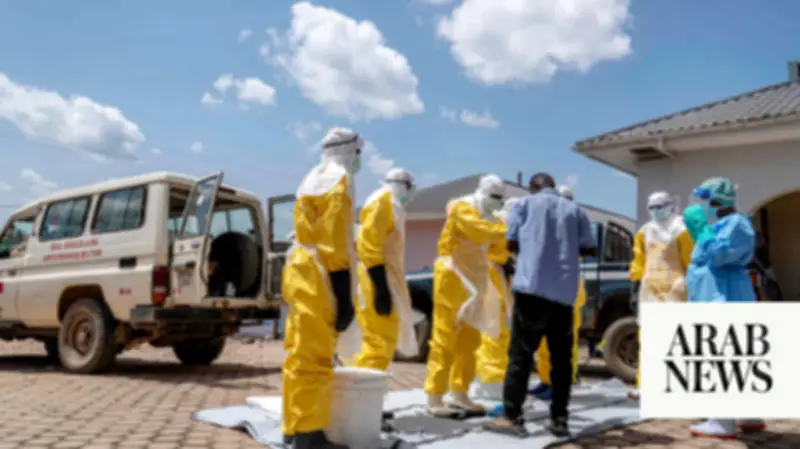
The Ebola outbreak in the Democratic Republic of Congo has expanded to a fourth province, Haut-Uele, marking a significant escalation. The entire northeastern region of the country, home to approximately 15 million people, is now affected. The World Health Organization reported 1,274 confirmed cases and 360 deaths as of the latest figures.
Epidemic Details and Strain
The DRC declared its 17th outbreak of Ebola on May 15, caused by the Bundibugyo strain. Unlike the more common Zaire strain, there is no licensed vaccine or specific treatment for Bundibugyo. Clinical trials are expected to begin in the coming days, according to the WHO, which issued an international alert.
Ituri province remains the epicenter, with 1,165 cases and 301 deaths, per health authorities. Scientists and aid workers believe actual numbers are higher. Previously, North Kivu and South Kivu were also affected. Twenty cases, including two deaths, have been reported in Uganda.

Spread to Haut-Uele
Haut-Uele, bordering South Sudan and the Central African Republic, became the fourth affected province after an infected person traveled from Bunia, Ituri's capital, to Haut-Uele. The individual has since died, according to a source at the National Institute of Biomedical Research. Authorities are tracing contacts and transmission chains.
The virus has often spread at funerals, where handling of highly infectious bodies is common. Aid workers face mistrust and have struggled to implement safe burials. In the DRC, funerals can last several days with traditional touching of the deceased. Health centers report confrontations with relatives demanding bodies.
Challenges in Response
Both Ituri and Haut-Uele are border regions with heavy cross-border movement, accelerating virus spread. Ituri has experienced years of violence from local militias and the Allied Democratic Forces, linked to Daesh. The ADF has recently launched incursions into Haut-Uele, which is also troubled by armed groups. Insecurity hampers the health response, which was already slow.
Health workers suspect the virus may have been spreading since January before official detection. Health systems are weak, lacking basic supplies like protective equipment and disinfectants. Ebola treatment centers, supported by WHO and aid groups, are overwhelmed, operating at over 138% capacity, according to the National Public Health Institute.
Impact on Health Workers and Outlook
The outbreak has infected 78 health workers, with 18 deaths. Experts say the outbreak has not peaked and could last up to a year. Ebola, transmitted through bodily fluids, has killed over 15,000 people in Africa in 50 years. The DRC's deadliest outbreak was 2018–2020, with nearly 2,300 deaths from 3,500 cases.