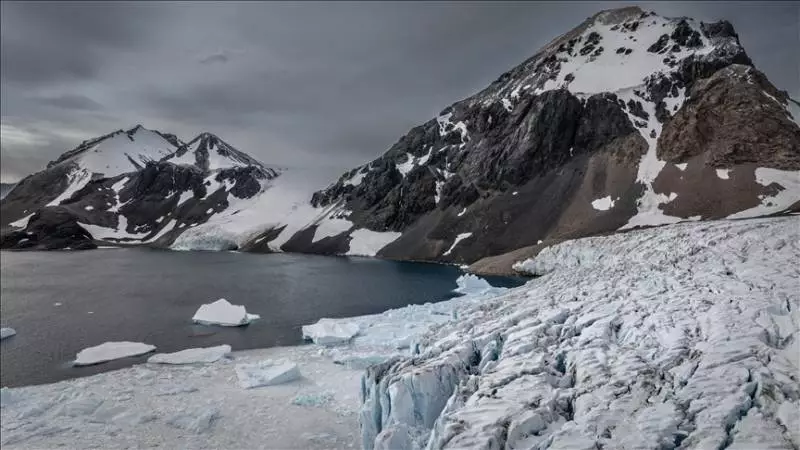
A stark new scientific warning has emerged from the rapidly warming Arctic: iconic seal species are being pushed dangerously close to extinction. The primary culprit is the relentless rise in temperatures, which is devastating the frozen habitats these animals depend on for survival.
The Vanishing Ice: A Habitat in Crisis
At the heart of this ecological crisis is the dramatic loss of sea ice. Species like the ringed seal, which is heavily reliant on stable ice cover, are finding their world literally melting away. The study highlights that rising temperatures are directly reducing the extent and thickness of Arctic sea ice at an alarming rate. This ice is not just a platform; it's a nursery, a resting place, and a shield from predators.
For ringed seals, the spring season is particularly critical. They construct elaborate snow lairs on top of the ice to birth and protect their vulnerable pups. With warmer temperatures causing premature snowmelt and ice breakup, these protective shelters are collapsing, leaving newborns exposed to the harsh elements and predators like polar bears. The research indicates that this habitat degradation is a primary driver pushing the species toward a higher risk of extinction.

Cascading Effects on the Arctic Food Web
The threat to seals is not an isolated event but a symptom of a broader ecosystem collapse. Seals are a cornerstone species in the Arctic marine food web. Their decline would trigger a devastating domino effect.
Polar bears, which depend almost exclusively on seals for food, face starvation and reduced reproductive success as their primary prey disappears. Furthermore, seals play a crucial role in the nutrient cycle, and their absence would disrupt the delicate balance of the entire region. The loss of these species signifies a broken ecosystem, with consequences that ripple from the smallest plankton to the largest predators.
A Global Warning with Local Implications
While the study focuses on the Arctic, its findings resonate globally, including for Pakistan. Pakistan is among the countries most vulnerable to the impacts of climate change, experiencing glacial melt, extreme heatwaves, and unpredictable monsoons. The rapid changes in the Arctic influence global weather patterns and sea-level rise, posing direct threats to Pakistan's coastal and mountainous regions.
The plight of the Arctic seals serves as a powerful indicator of the planetary-scale changes underway. The research underscores that without immediate and substantial global efforts to curb greenhouse gas emissions and limit warming, the trajectory toward extinction for these species may become irreversible. It is a clear call to action, emphasizing that protecting biodiversity in the far north is intrinsically linked to stabilizing the global climate system that sustains us all.
Scientists stress that the window for effective action is closing fast. Conservation efforts must now aggressively address the root cause—climate change—while also exploring ways to enhance the resilience of vulnerable species. The fate of the Arctic seals is a barometer for the health of our planet, and their struggle for survival is a warning we cannot afford to ignore.