Rawalpindi Arts Council Premieres Drama on Indian Atrocities in IIOJK
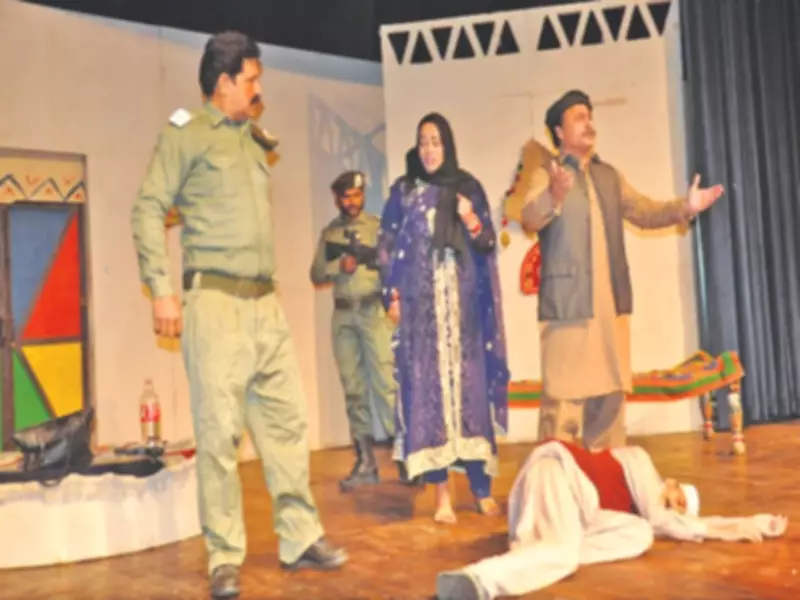
The Rawalpindi Arts Council has taken a bold step in highlighting the plight of Kashmiris by staging a powerful drama that focuses on the atrocities committed by India in Indian Illegally Occupied Jammu and Kashmir (IIOJK). This theatrical production serves as a poignant reminder of the ongoing human rights violations in the region, aiming to draw international attention to the suffering of the Kashmiri people.
Artistic Expression Meets Political Advocacy
Through a blend of compelling storytelling and dramatic performances, the drama vividly portrays the harsh realities faced by residents of IIOJK under Indian occupation. The production utilizes a mix of emotional narratives and symbolic imagery to convey the depth of the crisis, making it accessible to a broad audience while maintaining factual accuracy about the documented abuses.
The initiative underscores the role of art in political discourse, demonstrating how cultural institutions can contribute to raising awareness about critical issues. By choosing this subject matter, the Rawalpindi Arts Council aligns itself with Pakistan's longstanding stance on Kashmir, reinforcing national solidarity and diplomatic efforts.

Objectives and Impact of the Performance
The primary goal of this drama is to educate and mobilize both local and international communities regarding the situation in IIOJK. It seeks to:
- Highlight specific instances of human rights violations reported in the region.
- Foster empathy and support for the Kashmiri cause through artistic engagement.
- Encourage dialogue and action on a global scale to address the injustices.
This production is part of a broader trend in Pakistan where arts councils leverage their platforms for social and political commentary, bridging the gap between entertainment and activism. The drama's premiere has sparked discussions among attendees, potentially influencing public opinion and media coverage.
Broader Context and Future Endeavors
This event reflects Pakistan's ongoing commitment to advocating for Kashmir, utilizing various mediums to keep the issue in the public eye. The Rawalpindi Arts Council plans to host additional shows and possibly tour the production to other cities, amplifying its message and reaching a wider audience.
In conclusion, the drama on India's atrocities in IIOJK represents a significant cultural initiative that combines artistry with advocacy. By shedding light on these grave issues, the council not only entertains but also educates, contributing to the global discourse on human rights and regional stability.