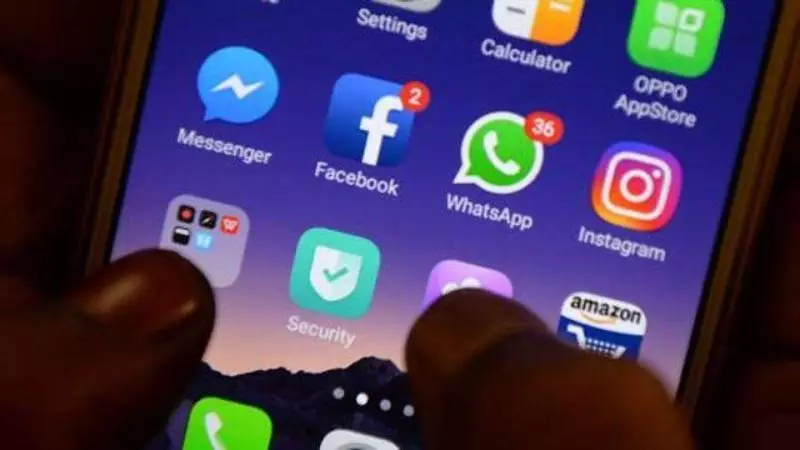
Lahore High Court Considers Social Media Ban for Children Under 16
The Lahore High Court (LHC) is reportedly deliberating a potential ban on social media usage for children under the age of 16. In a significant move, the court has directed the federal government and other relevant authorities to submit their formal responses on this critical issue by 10 February. The LHC emphasized that any policy concerning social media access for minors should be developed and enforced by the government itself, highlighting the need for official oversight in this area.
Political Calls for Stricter Regulations
Earlier this month, Pakistan Tehreek-e-Insaf (PTI) Senator Falak Naz advocated for banning children under 18 from using social media platforms, including popular apps like TikTok. She cited growing concerns over the negative impacts of these platforms in Pakistan, such as exposure to inappropriate content and potential mental health risks. During a Senate session presided over by Senator Sherry Rehman, Senator Naz presented a calling attention notice addressing the increasing use of social media by underage children, sparking further debate on the matter.
Global Precedents and Regulatory Trends
Internationally, Australia has set a precedent by becoming the first country to implement a ban on social media for children under 16. This move has been welcomed by many parents and child advocates who see it as a protective measure, but it has also faced criticism from major technology companies and free-speech advocates. Under Australia's new law, ten of the largest platforms, including TikTok, YouTube, and Meta's Instagram and Facebook, are required to block access for children or face fines of up to A$49.5 million ($33 million). This development is being closely monitored by regulators worldwide, indicating a growing global trend toward stricter social media regulations for minors.

Broader Implications and Future Steps
The LHC's consideration of a social media ban reflects broader societal concerns about the digital safety of young people in Pakistan. As the government prepares its response, stakeholders are likely to weigh the benefits of protecting children against potential challenges related to enforcement and freedom of expression. This issue underscores the need for balanced policies that address both security and developmental aspects of youth engagement with technology.