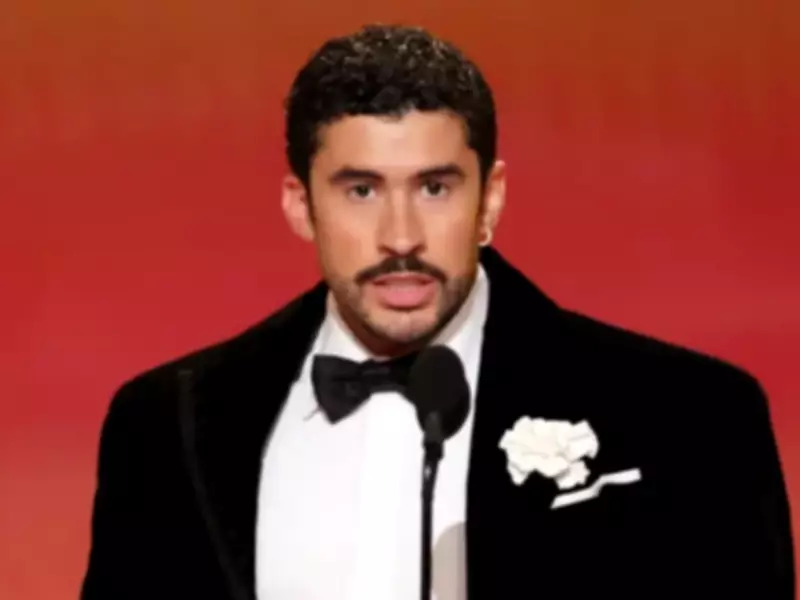
In an unexpected turn of events, Bad Bunny's high-energy Super Bowl halftime show has been linked to a notable surge in water consumption across New York City. The performance, which captivated millions of viewers worldwide, prompted a flurry of activity in households as fans took advantage of commercial breaks to visit bathrooms, leading to a measurable spike in water usage.
Halftime Show Sparks Unusual Water Demand
During Bad Bunny's dynamic set at the Super Bowl, water utilities in New York City reported a sudden increase in water flow. This phenomenon is attributed to the timing of the show, which coincided with natural breaks in viewership. As fans paused their viewing to use restrooms or grab refreshments, the simultaneous flushing of toilets and running of taps created a temporary but significant rise in demand.
Impact on City Infrastructure
The spike in water usage, while brief, highlights the interconnectedness of major entertainment events and urban infrastructure. New York City's water systems, designed to handle peak loads, managed the surge without incident, but the event serves as a reminder of how large-scale broadcasts can influence daily routines and resource consumption.

Broader Implications for Event Planning
This incident underscores the need for cities to consider the indirect effects of major cultural events on public utilities. As global spectacles like the Super Bowl draw massive audiences, planners may need to account for such fluctuations in water and energy usage to ensure seamless operations.
Bad Bunny's performance not only entertained but also inadvertently showcased the ripple effects of popular culture on urban life, making this a unique case study in the intersection of entertainment and civic management.